English
 Arabic
 French
 Spanish
 Portuguese
 Deutsch
 Turkish
 Dutch
Dutch
 Italiano
 Russian
 Romaian
 Portuguese (Brazil)
 Greek
Greek

Abaya Dress: Where Modesty Meets Modern Elegance
Other |
2026-02-09 16:45:45
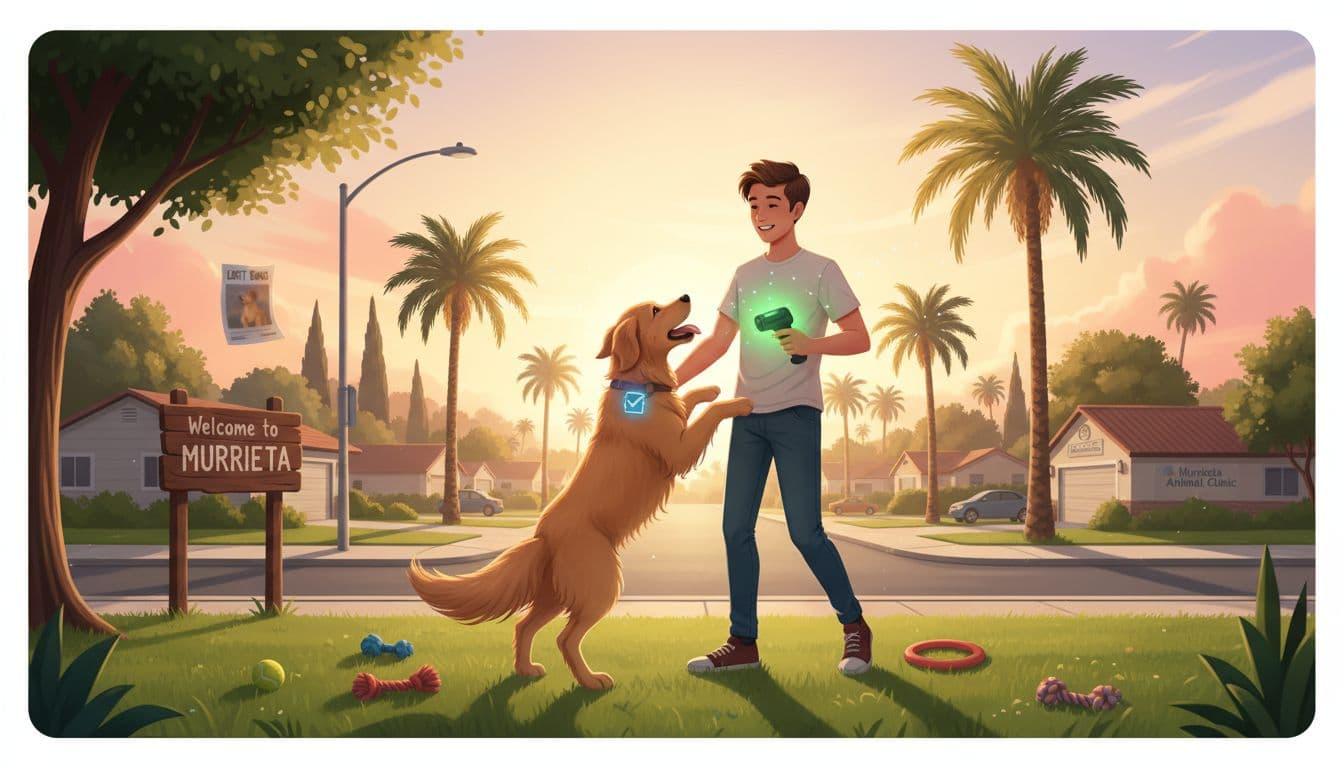
If you have ever seen a “lost dog” post in a Murrieta or Temecula Facebook group, you know how fast it can happen. One open gate. A slipped leash. A loud noise during a walk. Then your pet is running, scared, and hard to catch.
Microchipping is one of the simplest ways to improve the odds of getting your pet back if they get lost. It does not replace a collar and ID tag, but it can be the backup that still works when tags fall off or collars break.
Below, you will learn what a microchip is, how shelters scan for it, and how to register it the right way so it can actually help your pet get home.
A microchip is a tiny device, about the size of a grain of rice. It is placed under your pet’s skin, usually between the shoulder blades.
A microchip is:
A permanent form of ID inside your pet
A number that can be read by a scanner at a shelter or vet clinic
A way to connect a found pet to an owner’s contact details
A microchip is not:
A GPS tracker (it does not show your pet’s location)
A battery-powered device (it has no battery)
Proof of ownership by itself in every case (but it is a strong ID tool)
When a shelter or veterinary clinic scans your pet, the scanner reads the chip’s ID number. That number is used to look up the owner’s information in a registration database.
You may hear terms like “ISO-compliant microchip” or “universal scanner.” Here is what that means in simple terms.
Most modern chips follow an international standard called ISO. An ISO-compliant chip is designed to be readable by standard microchip scanners used around the world.
This matters because pets can end up scanned by different places, including:
Riverside County Animal Services
Local rescues and shelters
Veterinary hospitals in Murrieta, Temecula, and surrounding cities
Emergency clinics
A “universal” scanner is meant to read the most common chip frequencies. Many shelters and clinics use universal scanners, but not every scanner is the same. That is why it is smart to choose a widely used, ISO-compliant chip whenever possible.
Bottom line: A chip that is ISO-compliant and commonly supported gives your pet the best chance of being identified quickly.
Secure your pet's safety with best Pet Microchipping Services in Murrieta.
Murrieta and Temecula are great places for pet owners. There are trails, open spaces, and lots of outdoor time. But those same perks can raise the risk of pets getting lost.
Common “escape” situations we see in this area include:
Hiking trails and open spaces: A rabbit, coyote, or loud sound can trigger a chase or panic run.
Car rides and trailheads: Doors open, pets jump out quickly.
Backyards and side gates: Wind, deliveries, or a gate left unlatched.
Fireworks and thunderstorms: Sudden noise can cause bolting.
Moves and visitors: A busy home makes it easier for a pet to slip out.
Even well-trained pets can get disoriented when scared. And once they run, they may not recognize where they are.
A collar and tag help, but collars can break or slip off. A microchip stays with your pet.
Many found pets in Murrieta and Temecula are taken to local shelters or animal services. A key step in the intake process is scanning for a microchip.
A staff member uses a handheld scanner and passes it over the pet’s body. Chips can sometimes shift a bit under the skin over time, so the best practice is to scan over the shoulders, back, and sides.
If a chip is detected, the scanner shows an ID number. Staff then:
Look up the chip number in a database
Find contact details linked to that number
Call, email, or text the owner (based on what is listed)
Microchipping only works if your chip is registered and your contact information is current.
The most common reasons microchips do not lead to reunions:
The chip was never registered after placement
The owner changed phone numbers and did not update the record
The chip is registered under a previous owner (common with rehomed pets)
The database record is missing or hard to locate
That is why the “paperwork part” matters just as much as the quick placement.
After your pet is microchipped, you will get the chip ID number. Your next step is to register it.
Keep the microchip number in at least two places:
Your phone notes or a secure password manager
Your pet’s medical folder at home
You can also add a photo of the microchip sticker or paperwork to your phone.
There are two common options:
Option A: Manufacturer portal Some microchip brands have their own registration site. You create an account and enter your contact details.
Option B: Universal or independent database Many owners prefer a registry that is not tied to one manufacturer, especially if they move, change vets, or cannot remember the brand later.
Either option can work. The most important thing is that:
Your chip number is listed
Your contact information is correct
The listing is easy to find when a shelter searches
If possible, include:
Your main phone number
A second phone number (spouse, family member, trusted friend)
Email address
If you travel often, adding a local backup contact is helpful.
Set a reminder to check your chip registration once a year, or anytime you:
Change phone numbers
Move to a new address
Rehome or adopt a pet
A microchip is only as good as the phone number attached to it.
Many pet owners avoid microchipping because they think it is a big procedure. It is not.
No surgery: The chip is placed with a needle, similar to a vaccine.
Minimal discomfort: Most pets react with a quick flinch, then it is over.
Fast appointment: The placement itself takes seconds.
Instant protection: The chip can be scanned right away and the number is active immediately.
Microchips are typically placed:
Between the shoulder blades
Under the skin
After placement, your pet can go back to normal activity in most cases.
If your pet is anxious or squirmy, our team can help keep the process calm and safe.
Indoor pets still get out. Doors open. Screens break. Visitors forget to close a door. Microchipping indoor cats is especially important because cats can hide silently and travel farther than people expect.
Tags are great. Keep them. But collars can slip off or break. A microchip is the backup that stays with your pet.
Microchips do not track location. If you want tracking, that is a separate GPS device.
Microchips are made to be safe and long-lasting. Complications are uncommon. If you ever notice swelling or irritation near the site, call your veterinarian.
Microchipping is a strong step, but it works best with a few simple habits:
Keep a collar with an ID tag on your pet (even at home if safe to do so)
Use a secure harness for dogs that back out of collars
Keep current photos of your pet (face and full body)
Consider a breakaway collar for cats
Check gates and fences after wind or yard work
If your pet is a known “runner,” talk with your vet about behavior tips and safety gear.
Microchipping is fast, affordable, and one of the best ways to help your pet get back home if they ever get lost. If you are unsure whether your pet is already chipped, we can scan them and confirm.
Secure your pet's safety with our Pet Microchipping Services in Murrieta.
Connect with our Murrieta team via Top Animal Hospital.