 English
 Arabic
 French
 Spanish
 Portuguese
 Deutsch
 Turkish
 Dutch
Dutch
 Italiano
 Russian
 Romaian
 Portuguese (Brazil)
 Greek
Greek

Six Game VIP: Where Technology Meets Exclusive Rewards
Games |
2026-02-15 08:43:25
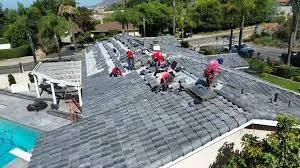
In sunny Southern California, roofing systems endure constant exposure to intense heat and UV radiation. For many homes and commercial buildings in Compton, cool roofs offer an energy-efficient solution designed to reflect sunlight and reduce indoor temperatures. However, even reflective roofing systems require maintenance and occasional repairs. When cracks, leaks, or coating failures occur, timely Cool Roof Repair is essential to preserve performance and prevent costly damage.
Cool roofs are specifically engineered to reflect more sunlight and absorb less heat than traditional roofing materials. Over time, weather exposure, debris, and normal aging can compromise their reflective coatings or membranes. Understanding how cool roof repair works—and why it’s particularly important in Compton—helps property owners maintain comfort, efficiency, and structural integrity.
A cool roof is designed to reflect solar energy and emit absorbed heat more efficiently than conventional roofing systems. These roofs typically use:
Reflective coatings
Light-colored membranes
Specialized shingles or tiles
Single-ply reflective materials
By reducing heat absorption, cool roofs help lower indoor temperatures and reduce the strain on air conditioning systems—especially during long, hot summers in Compton.
Compton’s climate plays a major role in roof performance. With abundant sunshine for much of the year, roofs experience prolonged UV exposure and elevated surface temperatures.
Over time, UV rays can:
Degrade reflective coatings
Cause cracking or blistering
Reduce reflectivity
Lead to surface discoloration
When reflectivity declines, energy efficiency drops, and indoor temperatures rise.
Although rainfall is limited compared to other regions, Southern California storms can be intense. Even small cracks in a cool roof membrane allow water intrusion, leading to leaks and structural damage.
Urban areas like Compton often experience higher surface temperatures due to surrounding buildings and pavement. Cool roofs help offset this effect—but only if they remain in good condition.
Prompt cool roof repair ensures the roofing system continues performing as intended.
Even well-installed cool roofing systems can develop issues over time.
Reflective coatings can peel, chip, or crack due to thermal expansion and contraction. Once compromised, the underlying roofing material becomes vulnerable to moisture and heat damage.
Flat or low-slope cool roofs may experience standing water if drainage systems are clogged or uneven. Prolonged ponding weakens coatings and membranes.
Single-ply membranes used in cool roofs rely on sealed seams. Over time, seams may separate, allowing water to seep beneath the surface.
Trapped air or moisture beneath the membrane can create blisters. If ruptured, these areas become entry points for leaks.
Flashing around vents, skylights, and HVAC units can loosen or deteriorate, causing leaks even if the main roof surface appears intact.
Homeowners and property managers should watch for these warning signs:
Interior water stains
Increased cooling costs
Visible cracks or peeling coating
Discoloration on the roof surface
Mold or mildew odors
Soft or sagging areas
If any of these symptoms appear, professional inspection is recommended to prevent further damage.
Repairing a cool roof requires specialized knowledge of reflective materials and membrane systems.
Professionals examine:
Surface coating condition
Seams and joints
Flashing integrity
Drainage systems
Underlying structural decking
Moisture detection equipment may be used to locate hidden water intrusion.
The roof is cleaned to remove dirt, debris, and contaminants. Proper preparation ensures repair materials adhere correctly.
Depending on the issue, technicians may:
Patch membrane tears
Reseal seams
Replace damaged flashing
Repair drainage systems
If coating deterioration is widespread, a new reflective layer may be applied to restore energy efficiency and UV protection.
After repairs, the entire system is inspected to ensure watertight sealing and proper reflectivity.
A properly maintained cool roof offers significant advantages:
By reflecting solar heat, cool roofs lower indoor temperatures and reduce reliance on air conditioning systems.
Stable indoor temperatures enhance comfort for residents and employees.
Reflective coatings protect underlying materials from excessive heat, slowing wear and tear.
When damage reduces reflectivity, these benefits diminish. Cool roof repair restores optimal performance.
When seeking Cool Roof Repair Services in Compton, CA, local knowledge matters.
Roofs in Compton endure prolonged sun exposure. Repair materials must withstand high temperatures and resist UV degradation.
Urban debris accumulation can reduce reflectivity. Regular cleaning is essential to maintain energy efficiency.
California energy standards often encourage reflective roofing systems. Repairs must align with local regulations and material requirements.
Local experience ensures repairs are suited to the region’s specific climate conditions.
In some cases, minor patchwork is sufficient. In others, a full recoating may be necessary.
Damage is localized
Seams remain mostly intact
The coating is still largely reflective
Widespread peeling occurs
Reflectivity has significantly declined
Multiple leaks are present
A professional assessment determines the most cost-effective and durable solution.
Routine care reduces the likelihood of major repairs.
Twice-yearly inspections help detect small issues before they escalate.
Remove debris and dirt to maintain reflectivity and prevent clogged drains.
Check for membrane damage or displaced flashing following heavy rain or wind.
Unexpected increases in cooling costs may signal reduced roof reflectivity.
Small cracks or seam separation should be repaired immediately.
Maintaining a cool roof protects both your property and your budget. Benefits include:
Lower energy consumption
Reduced HVAC strain
Improved structural durability
Increased property value
Enhanced environmental sustainability
Investing in timely repairs prevents minor issues from turning into expensive replacements.
Cool roof systems require specialized skills. Improper repairs can trap moisture, reduce reflectivity, and void manufacturer warranties.
Experienced contractors understand:
Reflective coating application techniques
Membrane compatibility
Proper seam sealing
Safe working procedures
For dependable service tailored to Compton’s climate, capitol roofing company offers professional solutions designed to restore performance and extend roof lifespan.
Cool roofs are an excellent investment for homes and commercial properties in Compton. They reduce heat absorption, lower energy costs, and improve indoor comfort. However, even high-performance roofing systems require maintenance and occasional repairs.
By addressing cracks, seam separation, and coating deterioration promptly, property owners can preserve energy efficiency and prevent costly structural damage. Professional cool roof repair ensures long-term durability and peace of mind—especially in a climate defined by abundant sunshine and seasonal storms.
Most cool roofs last 15–25 years, depending on material and maintenance.
UV exposure, temperature fluctuations, and poor initial application can cause peeling.
Yes. Even minor cracks allow water to seep beneath the membrane.
At least twice a year and after major storms.
Yes. Restoring reflectivity helps reduce cooling costs.
Prolonged standing water weakens coatings and membranes, increasing leak risk.
Most repairs are completed with minimal disruption to occupants.
Many areas encourage or require energy-efficient roofing materials under state building codes.
A professional inspection determines the extent of damage and best solution.
Yes. Timely maintenance and repair significantly prolong system performance.



