 English
 Arabic
 French
 Spanish
 Portuguese
 Deutsch
 Turkish
 Dutch
Dutch
 Italiano
 Russian
 Romaian
 Portuguese (Brazil)
 Greek
Greek

Why International SMS Numbers Are Essential for Global Enterprises
Other |
2026-02-19 04:56:43
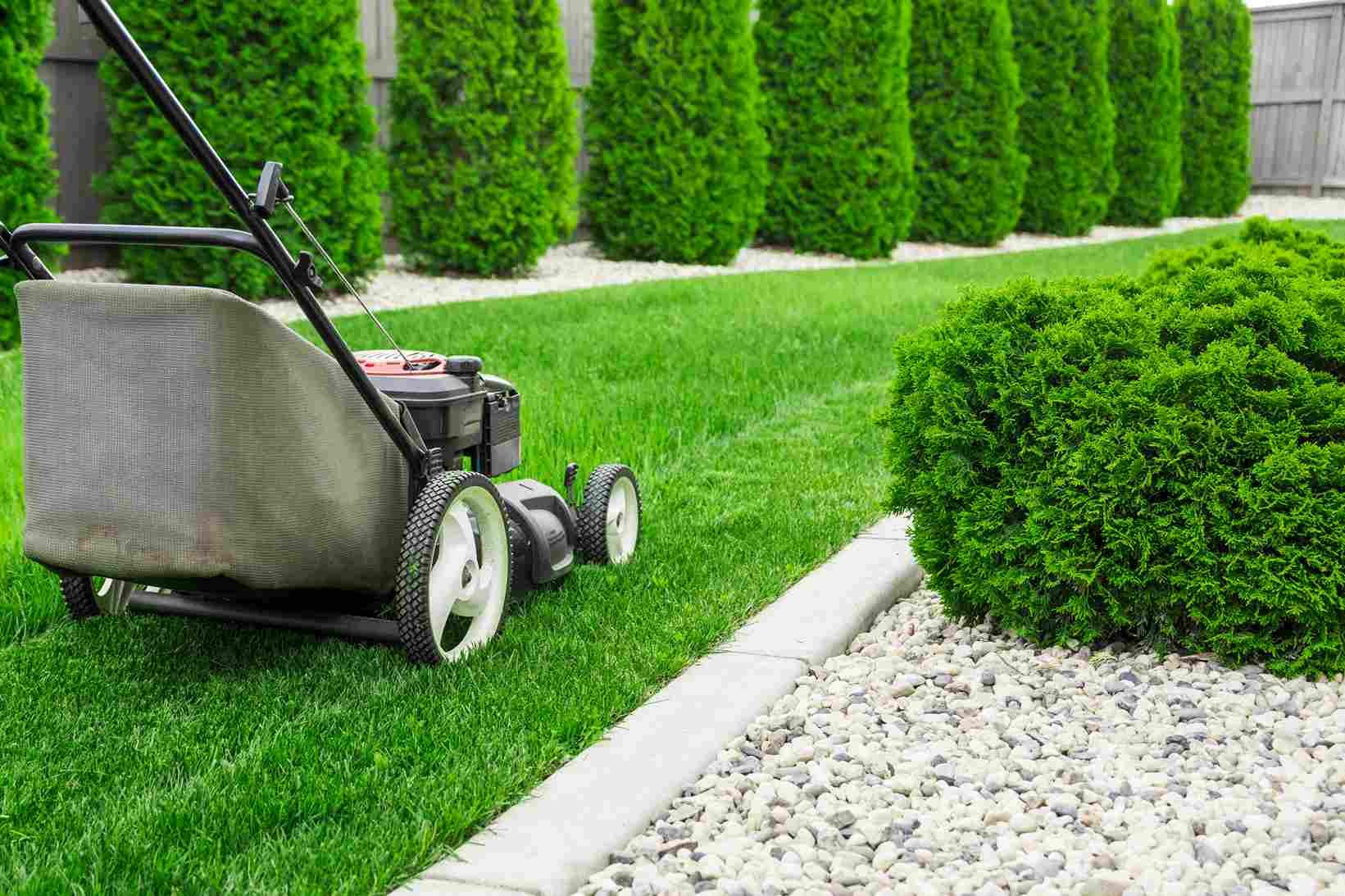
Look, I’ve spent more hours staring at the underside of a 72-inch 7-Iron deck than I care to admit. If you’re here, you aren’t looking for a weekend hobby. You have a massive property, an enterprise to run, or a luxury estate that needs to look like a fairway at Augusta. In the Canadian market, commercials aren't just a marketing buzzword; it is a necessity for survival against thick spring growth and short, aggressive mowing seasons.
Most people buy too little machines and pay for repair bills and wasted Saturdays. I’m here to make sure you don't. We are going to strip back the paint and look at the steel, the hydrostatics, and the raw torque that separates the pros from the pretenders.
If you own more than three acres in British Columbia or Ontario, a residential mower is a death wish for your free time. I’ve seen homeowners try to save five grand on a big-box store tractor, only to have the transmission melt by July. Commercial lawn mowers are built for 1,000+ hours of annual abuse. Your typical residential unit? It’s lucky to hit 200 before the deck spindles start screaming.
The difference lies in the fabricated deck. While residential decks are stamped from thin sheets of steel like a soda can, commercial decks are welded from 7-gauge or 10-gauge high-strength steel. In Canada, where we hit hidden rocks and thick, wet Orchard grass, that extra thickness is the difference between a clean cut and a bent blade.
Commercial machines like the John Deere Z900 Series or Kubota ZD Series aren't just faster, they are more efficient. We are talking ground speeds of 10 to 12 mph. When you’re maintaining a luxury property in BC, cutting your mow time by 40% isn't a luxury; it’s a massive return on investment.
I’ve analyzed the current leaders on Page 1. Here is the cold, hard data on what actually moves the needle for Canadian turf.
The Diesel Advantage: Kubota ZD Series
If you are mowing 10+ acres, stop looking at gas. Diesel engines provide the low-end torque required to power through thick, wet grass without the engine bogging down. The Kubota ZD Series remains a titan here. Their liquid-cooled engines handle the heat of a humid Ontario summer far better than any air-cooled V-twin.
For those who want that golf course look, the Toro Z Master with the TURBO FORCE deck is the gold standard. The adjustable baffle allows you to fine-tune the discharge based on how wet the grass is, essential during the volatile BC mowing season.
The biggest shift I've seen in the last 24 months is the rise of the commercial-grade robot. The Segway Navimow X390 and the Husqvarna Automower 450X EPOS have finally ditched the boundary wire headache. They use GPS-RTK technology to achieve centimeter-level accuracy.
For a luxury property owner, this is a game-changer. Imagine a mower that runs 24/7, is nearly silent, and never leaves a tire rut. You don't need a crew; you need a charging station. However, these aren't set and forgotten for everyone. If your property has heavy tree canopy cover, the GPS signal might drop, leaving your $15,000 robot lost in the bushes.
Don't let a salesperson distract you with cup holders and LED lights. Look at these three things:
Transmission (Hydrostatics): Look for Hydro-Gear ZT-4400 or ZT-5400. These are serviceable. Residential transmissions are sealed units, when they break, you throw the whole mower away.
Spindles: Are they cast iron or aluminum? Cast iron dissipates heat better and survives impacts that would shatter aluminum.
Engine Brand: Stick to Kawasaki FX Series, Kohler Command Pro, or Vanguard. These are the big blocks of the industry. Avoid anything labeled residential grade even if the horsepower numbers look high.
In Canada, our commercial lawn mower is tight. You cannot afford two weeks of downtime waiting for a part from the States.
I don't care what the manual says about 100-hour oil changes. If you are working in dusty conditions or high heat, change your oil every 50 hours. It costs $30 in oil and filters to protect a $20,000 engine. It’s basic math.
Our winters kill batteries and gum up fuel systems. Use a fuel stabilizer (like Sea Foam or STA-BIL) and keep your batteries on a tender. If you’re running a fleet, a heated shop isn't a luxury; it’s a prerequisite for longevity.
Q: Is a zero-turn mower safe on hills?
A: Zero-turns are notoriously bad on steep inclines (anything over 15 degrees). The front casters don't steer; they just follow. For steep Canadian slopes, look at a Stand-On mower or a specialized slope mower with a lower center of gravity.
Q: Can I use a commercial mower for my personal home?
A: Absolutely. It’s the last mower you’ll ever buy. While the upfront cost is higher, the lifespan is 3x to 4x longer than a residential unit.
Q: What is the best deck size for a 5-acre property?
A: 60 inches is the sweet spot. A 72-inch deck is faster but can scalp uneven ground. A 48-inch deck will feel like you're trying to empty the ocean with a teaspoon.
Choosing the right commercial lawn mowers isn't about finding the cheapest price; it's about finding the most reliable partner for your land. Whether you are managing a corporate campus or a private estate, the machine you choose defines your efficiency.
If this sounds like too much machinery to manage on your own, or if you simply want the results without the grease under your fingernails, let the pros handle it. At Harry’s Lawn Care, we bring the heavy-duty fleet to you. We know Canadian turf because we live on it.



