 English
 Arabic
 French
 Spanish
 Portuguese
 Deutsch
 Turkish
 Dutch
Dutch
 Italiano
 Russian
 Romaian
 Portuguese (Brazil)
 Greek
Greek

Molecular Biology Enzymes, Reagents & Kits Market Trends: Rising Demand from Diagnostics and Biopharma R&D
Health |
2026-02-06 18:13:54


The ride-hailing industry has transformed urban mobility, with apps like Uber, Lyft and Bolt reshaping how people commute. With the global ride-sharing market projected to reach $220 billion by 2028, many entrepreneurs and businesses are eager to build their own Uber-like app with the help of a reliable taxi app development company.
However, developing a successful Uber clone app or any taxi app solution requires careful planning, the right tech stack, and seamless execution. This comprehensive guide provides a step-by-step roadmap for ride hailing app development, covering essential features, technical architecture, development process, and cost considerations.
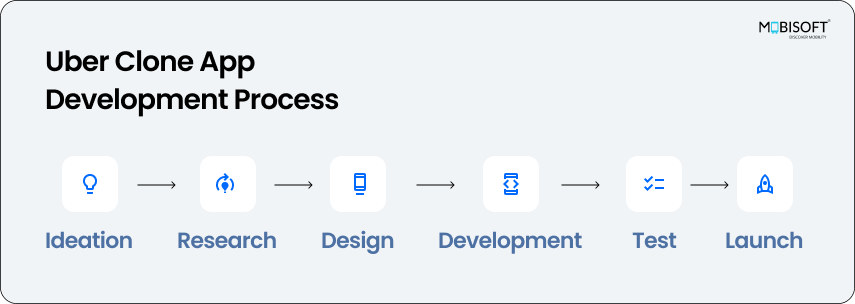
Before diving into taxi app development, thorough market research is crucial. Understanding your target audience and differentiating your service will define your success.
If your strategy targets solo riders in congested cities, bike taxi app development can be a lucrative niche.
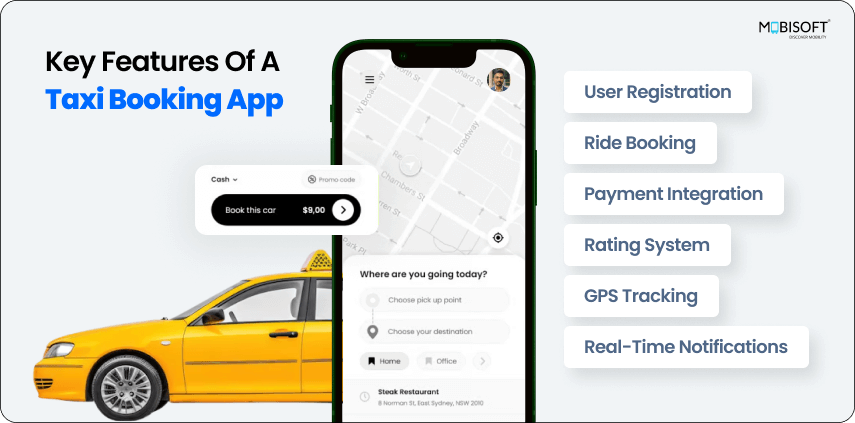
Whether you're building a custom taxi booking app or an Uber clone app, your platform should enhance both driver and rider experiences while ensuring security and operational efficiency.
These features are commonly found in Uber-like taxi app development and are crucial for building a scalable platform.

Selecting the appropriate technologies is essential for any taxi mobile app development project, ensuring app scalability, performance, and security.
Many taxi app development companies recommend these stacks for delivering high-performance apps.
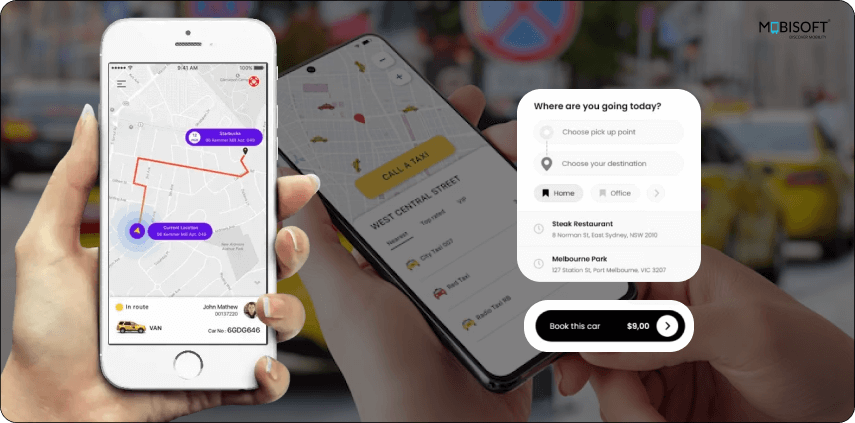
A well-designed interface ensures user engagement and efficiency.
The development phase in ride hailing app development includes:
Start with a Minimum Viable Product (MVP) to launch a basic version with essential features. This allows for early market testing and feedback.
Follow an iterative development cycle, continuously refining features based on testing and user feedback.


