English
 Arabic
 French
 Spanish
 Portuguese
 Deutsch
 Turkish
 Dutch
Dutch
 Italiano
 Russian
 Romaian
 Portuguese (Brazil)
 Greek
Greek

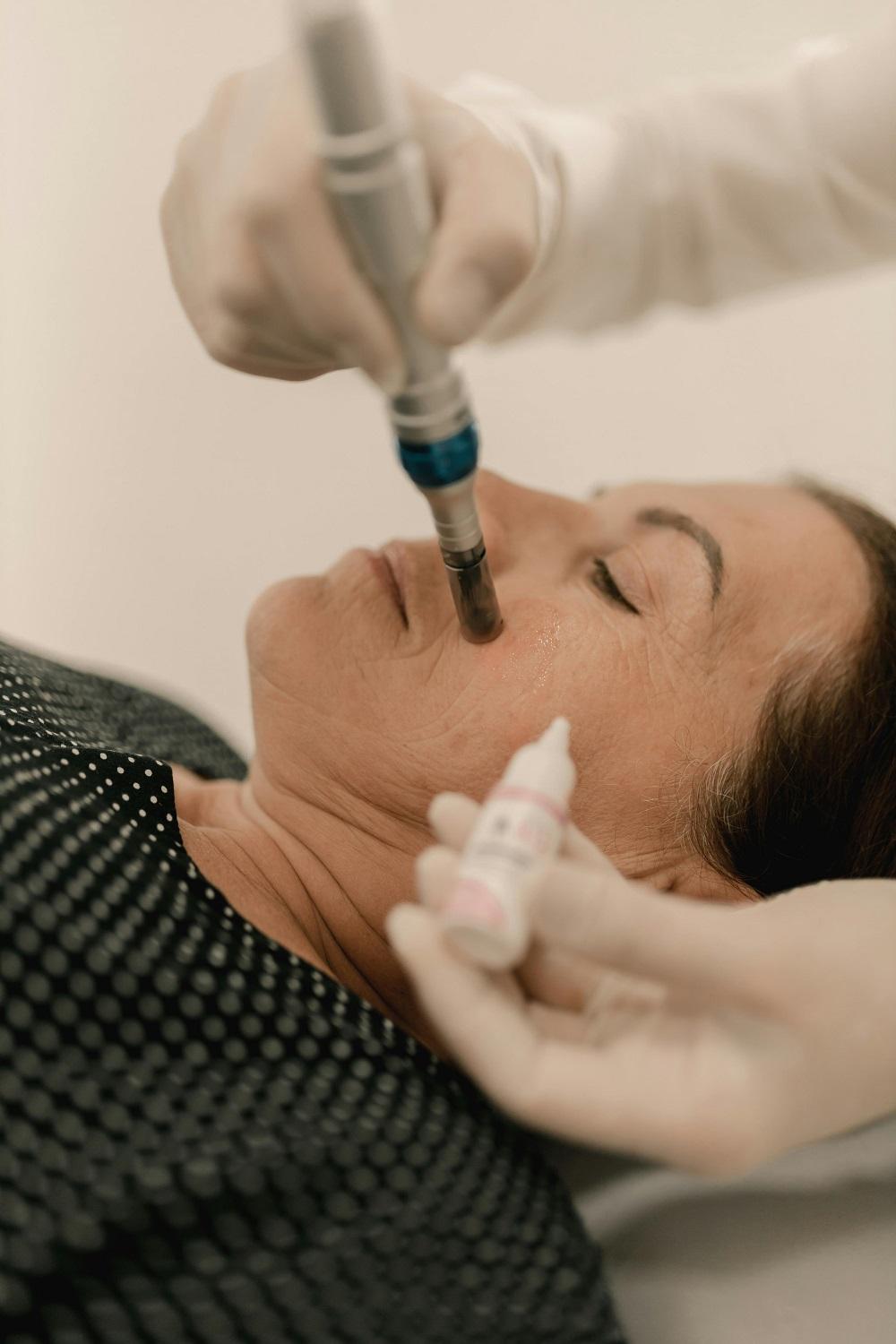
How a Microneedling Facial in Winnipeg Can Revitalize Your Skin Naturally
Other |
2026-04-03 11:40:26

The Global Occlusion Devices Market is witnessing robust growth, driven by the rising incidence of cardiovascular and neurovascular conditions, increasing adoption of minimally invasive procedures, and continuous innovations in medical technology. These devices are essential in treating abnormal blood flow, making them a cornerstone in modern interventional cardiology and neurovascular care.
The market is expected to reach USD 4.0 billion by 2024 and expand to approximately USD 6.5 billion by 2033, growing at a CAGR of 5.5%. Factors such as an aging population, enhanced healthcare spending, and advanced diagnostic capabilities are further accelerating this market’s expansion.
Healthcare providers are increasingly favoring catheter-based procedures due to shorter recovery times, fewer complications, and improved patient outcomes. These advantages are driving higher adoption rates for occlusion devices in hospitals and specialty clinics globally.
Occlusion devices are specialized medical implants designed to block or close abnormal openings in blood vessels or cardiac structures. They are widely used for:
Closing atrial septal defects (ASD)
Treating patent foramen ovale (PFO)
Left atrial appendage (LAA) closure
Vascular embolization procedures
Neurovascular aneurysm management
Delivered via minimally invasive catheter techniques, these devices significantly reduce the need for open surgery and enable faster patient recovery.
Cardiovascular diseases and strokes are major global health concerns. The increasing prevalence of congenital heart defects and vascular abnormalities is driving demand for occlusion therapies.
Patients and clinicians prefer minimally invasive interventions due to:
Shorter hospital stays
Reduced infection risk
Faster recovery times
Lower overall healthcare costs
This trend directly supports the adoption of occlusion devices.
Modern occlusion devices feature improved biocompatibility, flexible delivery systems, and advanced imaging compatibility, enhancing procedural success and broadening clinical applications.
An increasing aging population, more prone to structural heart and vascular abnormalities, is creating sustained demand for occlusion therapies worldwide.
High Procedure Costs: Expensive devices and procedures may limit adoption in cost-sensitive regions.
Regulatory Hurdles: Stringent approval processes can delay product launches.
Potential Complications: Despite being minimally invasive, risks such as device migration or thrombosis exist.
Improved healthcare infrastructure in Asia-Pacific, Latin America, and the Middle East is creating significant growth potential. Awareness about structural heart disease treatments is rising in these regions, boosting demand.
AI-guided imaging and real-time navigation systems are enhancing procedural accuracy and safety, presenting new avenues for market growth.
The increasing use of ambulatory surgical centers and outpatient cardiac facilities is expected to support higher adoption of user-friendly occlusion devices.
Cardiac Occlusion Devices
ASD occluders
PFO occluders
LAA occluders
VSD occluders
Vascular Occlusion Devices
Embolization coils
Liquid embolic systems
Vascular plugs
Neurovascular Occlusion Devices
Aneurysm coiling systems
Flow diverters
Neurovascular plugs
Hospitals: Largest adopters due to advanced infrastructure and specialized staff.
Ambulatory Surgical Centers (ASCs): Gaining traction due to efficiency and lower costs.
Specialty Clinics: Cardiac and neurovascular clinics are adopting advanced occlusion solutions.
The market is moderately consolidated, with key players focusing on:
Product innovation
Strategic partnerships
Global expansion
Regulatory approvals
Portfolio diversification
Investment in R&D is driving the development of next-generation devices with better safety and deliverability.
Download a Complimentary PDF Sample Report:
https://dimensionmarketresearch.com/request-sample/occlusion-devices-market/
North America is expected to lead the global occlusion devices market, capturing a 34.5% revenue share in 2024. Favorable reimbursement policies for minimally invasive surgeries and advanced healthcare systems are key drivers. The prevalence of chronic cardiovascular and neurovascular conditions further boosts adoption in the region.
Europe holds the second-largest market share, supported by public healthcare infrastructure and increasing use of catheter-based interventions, with Germany, France, and the UK contributing significantly.
Asia-Pacific is projected to grow the fastest, driven by expanding healthcare infrastructure, rising awareness, and increasing medical tourism. Key markets include China, India, and Japan.
These regions are gradually expanding due to improved healthcare access and investments in cardiac care facilities, though penetration remains lower than in developed markets.
Device Miniaturization: Smaller, flexible devices enhance procedural success and patient comfort.
Bioabsorbable Devices: Devices that dissolve after treatment reduce long-term complications.
AI and Digital Integration: AI-assisted imaging improves device placement, procedural efficiency, and outcomes.
Personalized Solutions: Tailoring devices to patient anatomy is expected to become a key differentiator.
1. What are occlusion devices used for?
Occlusion devices block abnormal blood flow or close heart and vascular defects, commonly for ASD, PFO, and aneurysm treatment.
2. What is driving the growth of this market?
Growth is fueled by rising cardiovascular disease prevalence, preference for minimally invasive procedures, technological advancements, and an aging population.
3. Which region dominates the market?
North America dominates, holding a 34.5% revenue share in 2024 due to favorable reimbursement policies and advanced healthcare infrastructure.
4. What challenges does the market face?
Challenges include high procedure costs, regulatory hurdles, and procedural complications.
5. What is the market size expected to reach by 2033?
The market is projected to reach USD 6.5 billion by 2033, with a CAGR of 5.5%.
The Global Occlusion Devices Market is poised for steady growth, driven by the rising incidence of cardiovascular and neurovascular diseases and the adoption of minimally invasive procedures. North America leads in market share, while Asia-Pacific offers the fastest growth potential. Innovations in bioabsorbable materials, AI integration, and device miniaturization are expected to shape the market landscape. Hospitals, specialty clinics, and outpatient centers will continue to be major end users, ensuring sustained demand for occlusion devices globally.
Purchase the report for comprehensive details:
https://dimensionmarketresearch.com/checkout/occlusion-devices-market/