English
 Arabic
 French
 Spanish
 Portuguese
 Deutsch
 Turkish
 Dutch
Dutch
 Italiano
 Russian
 Romaian
 Portuguese (Brazil)
 Greek
Greek

Why Iman Developers Are a Trusted Name in UAE Property Development
Home |
2026-02-16 10:36:10
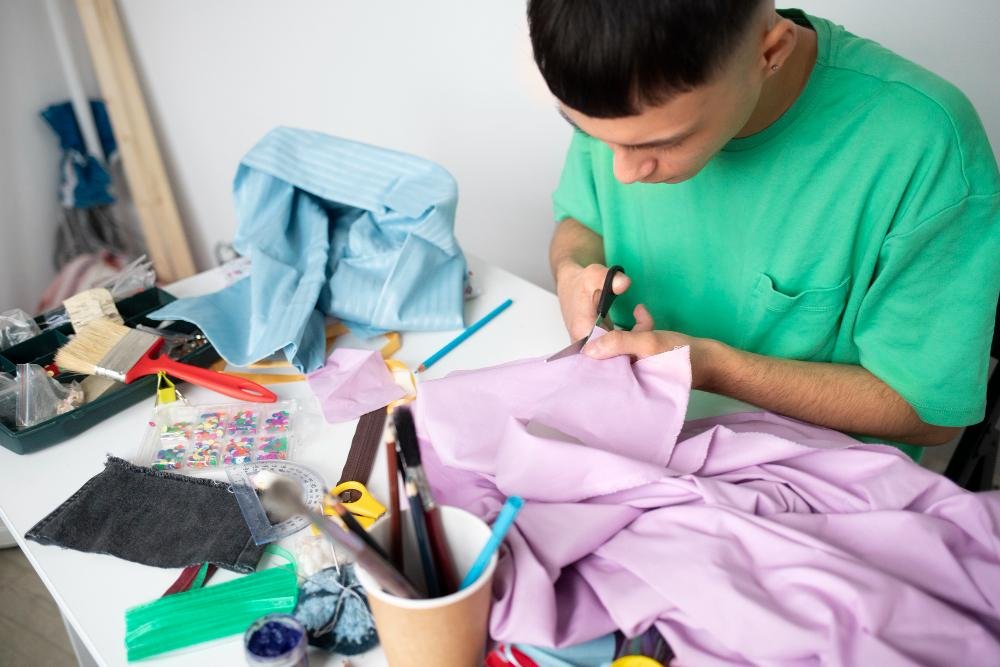
Fabriclore Pvt Ltd: Your trusted partner for expert Woven Fabric Garmenting and Clothing Manufacturing that meets European standards.
European fashion retailers are turning to viscose for good reason. The fabric offers softness, drape, and breathability that customers want—all at a price point that makes sense for bulk orders. But sourcing Viscose Fabric Clothing in bulk requires more than finding a supplier. You need a Clothing Manufacturing partner who understands quality control, compliance, and timely delivery.
This guide walks you through the essential steps to buy viscose garments in bulk. You'll learn how to choose the right manufacturer, manage costs, and meet European import requirements without compromising on quality.
Viscose has become a go-to fabric for retailers targeting style-conscious, budget-aware shoppers. It mimics the look and feel of natural fibers like cotton and silk but costs less to produce. The material drapes well, takes dye easily, and works for everything from summer dresses to office wear.
For retailers, bulk buying viscose garments offers several advantages:
Lower per-unit costs: Ordering in volume reduces manufacturing expenses and shipping fees.
Consistent inventory: Large orders help you maintain stock levels and meet seasonal demand.
Customization options: Many manufacturers offer design flexibility when you commit to higher quantities.
Viscose also aligns with the growing demand for semi-sustainable fabrics. While not fully eco-friendly, it's derived from wood pulp and biodegrades faster than synthetic alternatives.
Viscose is a semi-synthetic fiber made from regenerated cellulose. The production process involves dissolving wood pulp and spinning it into fibers that resemble natural materials.
Softness and Comfort: Viscose feels smooth against the skin. This makes it suitable for garments worn close to the body, like blouses and lingerie.
Excellent Drape: The fabric flows naturally, creating flattering silhouettes for dresses and skirts.
Breathability: Viscose allows air circulation, making it comfortable in warm weather.
Versatile Dyeing: The fiber absorbs dye evenly, resulting in vibrant, long-lasting colors.
Affordable Production: Compared to silk or high-quality cotton, viscose costs less to manufacture.
These properties explain why viscose appears in collections across price points. For European retailers, it's a practical choice that doesn't sacrifice style.
Your manufacturer determines your product quality, delivery timelines, and profit margins. Choosing the wrong partner can lead to delays, quality issues, and compliance headaches.
European Quality Standards: Your manufacturer should understand EU regulations for textile safety, labeling, and chemical use. Ask for certifications like OEKO-TEX or REACH compliance.
Woven Fabric Garmenting Expertise: Manufacturing viscose garments requires specific skills. The fabric can be delicate and needs careful handling during cutting and sewing.
Lead Time Transparency: European retailers need predictable delivery schedules. Choose a manufacturer who provides clear timelines and tracks production progress.
Minimum Order Quantities (MOQ): Bulk buying requires meeting MOQs. Find a partner whose minimums align with your inventory needs and budget.
Customization Capabilities: If you want custom prints, dyes, or designs, verify the manufacturer can deliver at your order volume.
Fabriclore Pvt Ltd specializes in Clothing Manufacturing for global fashion brands. Their tech-enabled platform offers delivery transparency and meets European quality benchmarks.
Understanding how viscose garments are made helps you evaluate quality and make informed sourcing decisions.
Production begins with selecting wood pulp from sustainable sources. The pulp undergoes chemical treatment to create viscose fibers. Quality starts here—premium fibers produce softer, more durable fabric.
Fibers are spun into yarn and woven or knitted into fabric. Woven Fabric Garmenting requires precise weaving techniques to achieve the right weight and texture.
Viscose absorbs dye exceptionally well. Manufacturers can create custom colors or prints based on your specifications. Finishing treatments add softness and prevent shrinkage.
Garments are cut according to patterns and sewn using techniques suited to viscose's properties. Skilled workers ensure seams are clean and garments maintain their shape.
Each piece undergoes inspection for defects, sizing accuracy, and finish quality. Reputable manufacturers conduct multiple quality checks before shipping.
Garments are packaged to prevent damage during transit. Proper packaging protects your investment and ensures products arrive retail-ready.
European import regulations are strict. Understanding them prevents costly delays and legal issues.
REACH Regulation: Limits harmful chemicals in textiles. Your manufacturer must provide documentation proving compliance.
Textile Labeling: EU law requires labels showing fiber content, care instructions, and country of origin.
Customs Documentation: Accurate invoices, packing lists, and certificates of origin are mandatory.
Sustainability Standards: Some European markets prefer suppliers with environmental certifications. Ask your manufacturer about their sustainability practices.
Sea Freight vs. Air Freight: Sea freight costs less but takes longer. Air freight suits urgent orders but increases expenses.
Incoterms: Clarify who handles shipping costs, insurance, and customs clearance. FOB (Free on Board) and CIF (Cost, Insurance, and Freight) are common terms.
Customs Duties: Calculate import duties and VAT to avoid surprises. These vary by product category and country of origin.
Working with a manufacturer experienced in European exports streamlines the process. They'll provide the documentation you need and understand shipping requirements.
Bulk orders reduce per-unit costs, but smart negotiation and planning maximize savings.
Negotiate MOQs: Some manufacturers offer flexibility on minimum orders if you commit to repeat business.
Lock in Prices: Agree on pricing for multiple orders to protect against material cost fluctuations.
Order Off-Season: Placing orders during slower production periods can reduce costs and speed up delivery.
Consolidate Shipments: Combine multiple product lines into one shipment to save on freight.
Build Long-Term Partnerships: Manufacturers often offer better terms to repeat customers. Consistent orders build trust and improve service.
Request Samples First: Always order samples before committing to bulk quantities. This confirms quality and fit.
Customs duties and VAT
Quality inspection fees
Storage costs if you can't sell inventory quickly
Returns and exchanges for defective products
Factor these into your budget to calculate true profit margins.
You've learned how to choose a partner, understand production, and manage costs. Now it's time to act.
Start by contacting manufacturers like Fabriclore Pvt Ltd who specialize in Viscose Fabric Clothing and Woven Fabric Garmenting. Request detailed quotations, including MOQs, lead times, and compliance certifications.
Order samples to evaluate fabric quality, construction, and fit. Once satisfied, place a small initial order to test the partnership. Monitor delivery timelines, product quality, and communication responsiveness.
As your confidence grows, increase order volumes and negotiate better terms. Building a strong relationship with your manufacturer ensures consistent quality and reliable supply—two essentials for retail success.
Bulk buying Viscose Fabric Clothing opens opportunities for European retailers to offer stylish, affordable products. With the right Clothing Manufacturing partner and careful planning, you can build a profitable, sustainable supply chain.