 English
 Arabic
 French
 Spanish
 Portuguese
 Deutsch
 Turkish
 Dutch
Dutch
 Italiano
 Russian
 Romaian
 Portuguese (Brazil)
 Greek
Greek

Synthetic Data Generation Market Applications Across AI and Machine Learning
Other |
2026-02-18 17:03:46
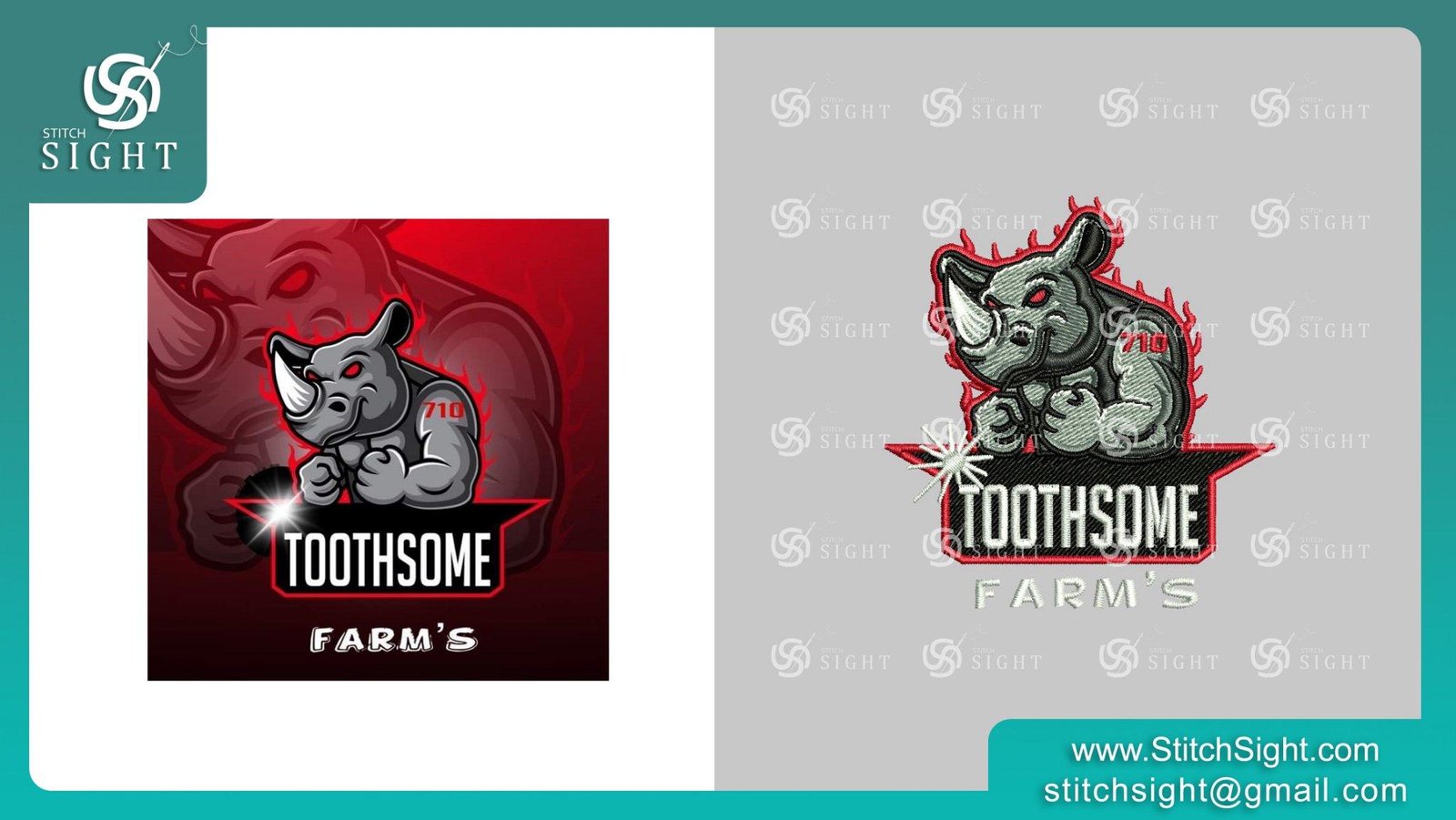
Machine embroidery designs have become the driving force behind modern embroidery, shaping how fabric is transformed into detailed, professional, and durable stitched products. From small home projects to large commercial operations, embroidery designs influence every stage of the stitching process. A well created design allows embroidery machines to work smoothly, reduces errors, and delivers a clean finish that reflects true craftsmanship.
As technology advances, embroidery is no longer just a decorative skill. It has evolved into a precise production process where quality, consistency, and efficiency matter more than ever. At the center of this evolution are machine embroidery designs, which act as the blueprint for every stitch placed on fabric.
Machine embroidery designs are not ordinary image files. They are digital stitch files created specifically to guide embroidery machines. Instead of colors and pixels, these designs are built from stitch data. Each stitch is carefully programmed with direction, length, density, and order. When the design is loaded into a machine, it tells the needle exactly how to move across the fabric to recreate the pattern.
Because embroidery machines operate mechanically, designs must be prepared with technical accuracy. Even a small mistake in stitch planning can lead to visible flaws during stitching. This is why embroidery designs require specialized preparation rather than simple image conversion.
Digitizing is the process that turns artwork into machine readable stitch instructions. This step determines whether a design will stitch cleanly or cause repeated problems. Professional digitizing combines artistic understanding with technical knowledge of embroidery machines and fabric behavior.
During digitizing, stitch direction is carefully planned to enhance shape and texture. Stitch density is adjusted to provide proper coverage without making the fabric stiff or distorted. Underlay stitches are added beneath the top stitches to stabilize the fabric and prevent shifting during embroidery. Sequencing is also optimized to reduce unnecessary trims and machine movement, resulting in smoother and more efficient stitching.
Every decision made during digitizing affects how the design performs on fabric. A well digitized design produces clean outlines, smooth fills, and a balanced overall appearance.
The quality of machine embroidery designs directly impacts both the stitching process and the final product. Poor quality designs often cause thread breaks, puckering, uneven stitching, and frequent machine stops. These issues waste time, damage fabric, and increase production costs.
High quality machine embroidery designs are created with balance and reliability in mind. They allow machines to run smoothly while maintaining consistent stitch quality. Quality designs also hold their shape and appearance after repeated washing and everyday use. This durability makes them ideal for apparel, uniforms, and branded products that must withstand regular wear.
Using professionally digitized designs reduces trial and error and helps protect embroidery machines from unnecessary stress caused by poorly constructed files.
Testing is a crucial part of creating dependable machine embroidery designs. A design may look perfect in embroidery software but behave differently when stitched on actual fabric. Testing allows designers to identify issues related to stitch density, underlay, or stitch order and make adjustments before the design is released.
Designs that have been tested provide consistent results across different machines and fabrics. This reliability is especially important for commercial embroidery, where consistency and efficiency are essential to meeting customer expectations.
Machine embroidery designs are used across many industries and creative applications. Apparel such as shirts, jackets, hoodies, and caps often feature embroidery because it offers a professional and long lasting finish. Home décor items like towels, cushions, and table linens benefit from embroidery by adding texture and personalization.
Embroidery is also widely used for corporate branding, promotional products, and custom gifts. Compared to printing methods, embroidery provides a premium appearance that remains intact over time. This makes machine embroidery designs a preferred choice for products that need both durability and visual appeal.
Selecting the right machine embroidery designs is essential for successful embroidery projects. Factors such as fabric type, design size, stitch density, and machine compatibility should always be considered. Lightweight fabrics require carefully balanced designs, while thicker materials can support denser stitching.
Trusted platforms such as Online Embroidery Designs offer professionally digitized designs created with real stitching conditions in mind. These designs are prepared to stitch smoothly on embroidery machines, helping users achieve consistent and professional results with minimal adjustments.
Choosing reliable designs allows embroiderers to focus on creativity and production rather than troubleshooting technical problems.
For hobbyists, high quality machine embroidery designs make embroidery more enjoyable and accessible. Beginners can learn with confidence, knowing that their designs are built to stitch correctly and efficiently.
For businesses, dependable embroidery designs support consistent quality and faster production. Fewer errors mean reduced waste, lower costs, and improved customer satisfaction. Consistent results also help build trust and strengthen brand reputation in a competitive market.
As embroidery technology continues to advance, machine embroidery designs are becoming more refined and efficient. Modern digitizing techniques focus on balancing visual detail with smooth stitching performance. This ensures that designs look impressive while remaining machine friendly.
New collections continue to reflect current trends and creative styles, giving embroiderers fresh inspiration and new opportunities to expand their offerings. Staying updated with professionally created designs helps creators remain competitive and innovative.
Machine embroidery designs are the foundation of every successful embroidery project. Their quality affects stitching performance, machine efficiency, and the overall appearance of the finished product. By choosing well digitized and tested machine embroidery designs, embroiderers can reduce errors, improve productivity, and achieve professional results that last.
Whether embroidery is used for personal creativity or commercial production, investing in high quality machine embroidery designs ensures smoother workflows, reliable stitching, and beautifully finished products that stand the test of time.



