 English
 Arabic
 French
 Spanish
 Portuguese
 Deutsch
 Turkish
 Dutch
Dutch
 Italiano
 Russian
 Romaian
 Portuguese (Brazil)
 Greek
Greek

Wheelchair and Components Market Size to Reach USD 5,488.23 Million by 2032
Other |
2026-02-03 10:14:15
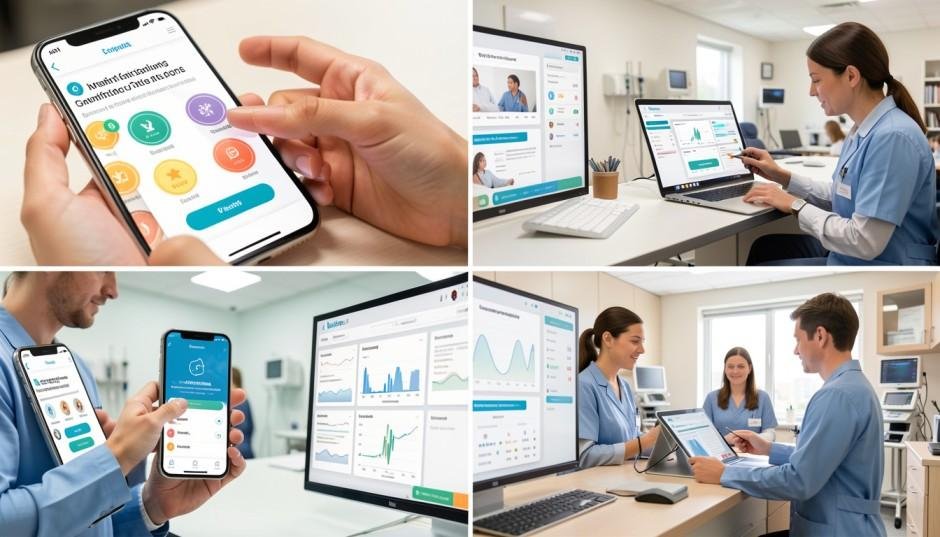
The Global Healthcare Gamification Market is rapidly gaining traction as healthcare providers, technology developers, and consumers embrace interactive game-based elements to improve patient engagement, education, treatment adherence, and preventive care outcomes. Gamification involves applying game design principles—such as point scoring, rewards, and competition—to non-game contexts, making healthcare activities more engaging, motivating, and enjoyable for users. These solutions are increasingly integrated into mobile health apps, digital therapeutics, clinician training, and preventive wellness programs, driving adoption across healthcare ecosystems worldwide.
Market Overview
The Global Healthcare Gamification Market is expected to reach USD 4.2 billion in 2023 and is further anticipated to expand to USD 28.1 billion by 2032, exhibiting a compound annual growth rate (CAGR) of 23.4% during the forecast period from 2023 to 2032. This substantial growth is driven by rising demand for innovative digital health solutions that enhance patient interaction, reduce treatment abandonment, and support lifestyle management through personalized incentives and interactive engagement. Gamification also plays a pivotal role in education and training, allowing healthcare professionals to build skills through serious games and simulations that mimic real-world clinical scenarios.
As the healthcare landscape continues to digitize, mobile and web-based gamification platforms are gaining momentum due to their accessibility, cross-platform compatibility, and ability to integrate with wearable devices, health trackers, and remote monitoring tools. These advancements are broadening the scope of gamification beyond fitness and preventive care to include chronic disease management, medication adherence, rehabilitation support, and mental well-being programs.
Definition and Market Significance
Healthcare gamification refers to the use of gaming elements and mechanics in healthcare applications to drive behavioral change, improve learning outcomes, and increase engagement with health-related activities. In the healthcare sector, gamification is utilized to motivate patients to follow treatment plans, support clinicians in training environments, and encourage healthier lifestyle choices among users. Gamified applications may incorporate reward systems, progress tracking, competitive leaderboards, virtual challenges, and interactive feedback loops to sustain long-term user interest.
The significance of healthcare gamification lies in its ability to transform mundane or challenging health tasks into interactive experiences that resonate with users. By making health management more intuitive and engaging, gamification can contribute to better health outcomes, improved compliance, and increased user satisfaction, while also supporting healthcare organizations in achieving operational efficiency and quality care delivery.
Market Drivers
One of the key drivers of the healthcare gamification market is the widespread adoption of smartphones, wearable health devices, and mobile health applications. Gamified features embedded in these digital tools help users monitor vital signs, track physical activity, and receive real-time feedback based on their behavior, making health management more proactive and engaging.
Rising emphasis on preventive care and chronic disease management is another significant driver. Healthcare providers are increasingly integrating gamification into wellness programs, fitness challenges, and patient education platforms to encourage sustained participation and behavior modification among users. This approach helps reduce the burden of chronic conditions such as diabetes, hypertension, and obesity by rewarding adherent behavior and fostering positive lifestyle habits.
Healthcare organizations and insurers are also investing in gamification as part of broader digital health initiatives aimed at enhancing patient experience and reducing long-term care costs. Gamified programs can improve medication adherence, reduce hospital readmissions, and support mental well-being, aligning with value-based care objectives that prioritize outcomes over service volume.
Market Trends
A prominent trend in the healthcare gamification market is the integration of gamified modules with telehealth and remote care platforms. As telemedicine continues to expand, gamification bridges the gap between virtual consultations and patient engagement by offering interactive tools that guide users through personalized health journeys.
Another trend is the emergence of serious games designed for clinician training and education. These applications use immersive simulations and scenario-based challenges to train healthcare professionals in surgical procedures, diagnostics, emergency response, and clinical decision-making, providing risk-free environments for skill development.
Artificial intelligence (AI) and machine learning are also influencing market evolution by enabling adaptive gamification that personalizes challenges, rewards, and feedback based on individual behavior and performance. AI-driven gamification engines can tailor content to user preferences and optimize engagement over time, enhancing effectiveness and user retention.
Market Restraints
Despite rapid growth, the healthcare gamification market faces challenges related to interoperability with existing healthcare systems and electronic health records, which can limit seamless data sharing and integration. Concerns around data privacy and security also present obstacles, particularly when handling sensitive health information in gamified applications.
Additionally, the diversity of user preferences and varying levels of digital literacy can impact adoption, as gamification solutions must cater to a wide range of demographics and usability expectations to achieve meaningful engagement.
Market Opportunities
The healthcare gamification market presents numerous opportunities for innovation and expansion. Increasing demand for personalized digital health tools offers gamification providers the chance to develop adaptive, multi-platform solutions that seamlessly integrate with wearable devices, fitness trackers, and chronic disease monitoring systems.
Emerging markets in Asia Pacific, Latin America, and the Middle East & Africa are also poised for growth as mobile penetration increases and healthcare systems adopt digital health strategies to improve access, preventive care, and patient outcomes. Strategic partnerships between technology companies, healthcare providers, and insurers can further accelerate market development by creating integrated ecosystems that leverage gamification for broader health management objectives.
Segmentation Analysis
The healthcare gamification market is segmented by type, application, and end user. By type, the market includes exercise games, serious games, and casual games. Exercise games lead market adoption by promoting physical activity and fitness, while serious games are gaining traction in clinical training and therapeutic applications. Casual games are also becoming more popular due to their ease of use and appeal in preventive care and lifestyle management.
By application, the market covers education, therapeutics, and prevention. In 2023, the education segment dominates with the largest market share, driven by the use of gamification to educate patients and healthcare professionals through engaging modules and simulations. The prevention segment is expected to see significant growth as gamification becomes a key tool for lifestyle management and chronic disease prevention.
By end user, the enterprise-based segment leads revenue share in 2023, as clinics, hospitals, research institutes, and medical training centers adopt gamified solutions for education, training, and clinical engagement. The consumer-based segment, fueled by mobile health apps and personalized wellness platforms, is anticipated to witness rapid growth throughout the forecast period.
Regional Analysis
North America leads the Healthcare Gamification Market with a 41.2% share in 2023, supported by widespread smartphone use, high internet penetration, and the early adoption of digital health technologies. The region’s strong presence of key market players and investments in healthcare innovation further reinforce its leading position.
Asia Pacific is expected to experience fast growth during the forecast period due to increasing digital health investments, technological development, and expanding healthcare infrastructure. Countries such as China, India, and Japan are witnessing rising adoption of gamification applications for both clinical and consumer health purposes.
Europe also represents a significant market with steady adoption of gamified healthcare solutions, driven by digital transformation initiatives within healthcare systems and growing focus on patient engagement programs. Latin America and the Middle East & Africa are expected to show moderate growth as healthcare digitization accelerates and access to mobile health applications expands across these regions.
Download a Complimentary PDF Sample Report: https://dimensionmarketresearch.com/request-sample/healthcare-gamification-market/
Competitive Landscape
The healthcare gamification market is highly competitive, with numerous global and regional players focusing on innovation, partnership strategies, and technology integration to enhance solution capabilities. Major companies in this space include Nike, Fitbit, Cognifit, Evolv Rehabilitation Technology, Mango Health, Ayogo Health Inc., BI Worldwide, EveryMove, Microsoft, and Bunchball, among others. These players are expanding their product portfolios, investing in R&D, and forming strategic collaborations to capitalize on emerging opportunities in patient engagement, education, and digital therapeutic solutions.
Frequently Asked Questions
What is the size of the Healthcare Gamification Market in 2023
The market is valued at USD 4.2 billion in 2023.
What CAGR is the market expected to register from 2023 to 2032
The market is projected to grow at a CAGR of 23.4% during the forecast period.
Which region holds the largest share of the healthcare gamification market
North America holds the largest share with approximately 41.2% in 2023.
What are the key applications of healthcare gamification
Key applications include education, therapeutics, and prevention, with education currently leading.
Who are the primary end users of gamification solutions in healthcare
Enterprise-based users such as clinics, hospitals, and research institutes are primary adopters.
Summary of Key Insights
The Healthcare Gamification Market is projected to expand significantly from USD 4.2 billion in 2023 to USD 28.1 billion by 2032 at a CAGR of 23.4%. North America leads the market with a strong share, while Asia Pacific and Europe offer promising growth opportunities supported by digital health adoption and expanding healthcare infrastructure. Continued innovation in gamified engagement, enterprise solutions, and mobile health applications is expected to shape the market’s evolution and long-term growth trajectory.
Purchase the report for comprehensive details: https://dimensionmarketresearch.com/checkout/healthcare-gamification-market/




