English
 Arabic
 French
 Spanish
 Portuguese
 Deutsch
 Turkish
 Dutch
Dutch
 Italiano
 Russian
 Romaian
 Portuguese (Brazil)
 Greek
Greek


CashoBot Guide to Immigration Policy Economic Impact
Other |
2026-03-23 06:34:57
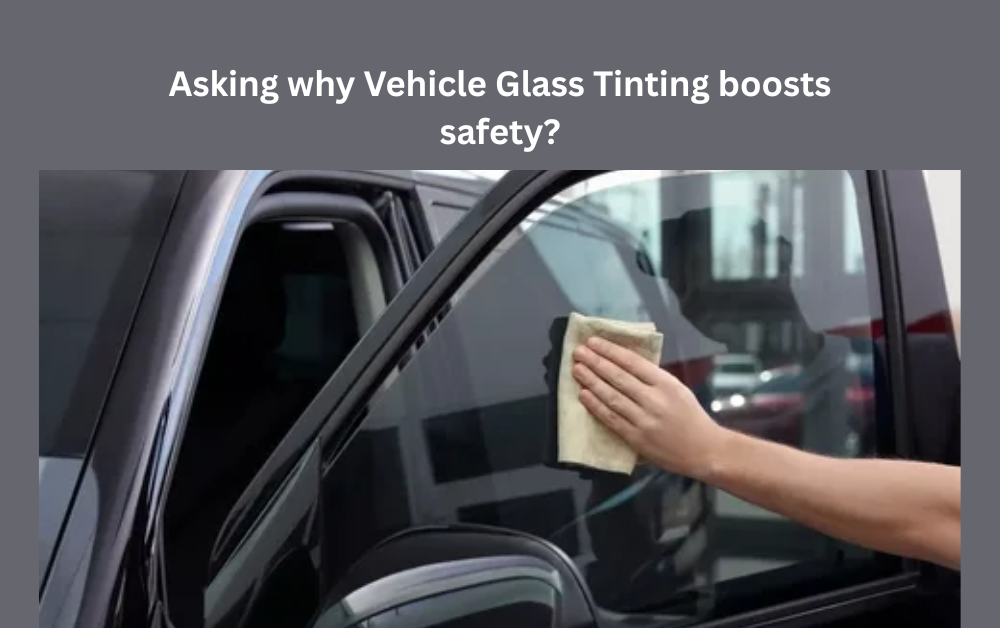
Driving today involves navigating complex traffic patterns, intense sunlight, unpredictable weather, and increasing road congestion. Modern motorists are no longer focused solely on engine performance or fuel efficiency; they are also prioritizing protective features that enhance safety and comfort. Among the upgrades widely discussed by automotive professionals is Vehicle Glass Tinting, which is recognized not only for its appearance benefits but also for its role in creating a safer driving environment.
Experts across transportation safety, ergonomics, and automotive design have examined how treated windows influence driver awareness, passenger protection, and overall road performance. Their findings consistently highlight that properly installed window films contribute to safer travel conditions in multiple ways.
Driving requires continuous visual processing. A driver must observe road markings, judge distances, interpret signals, and react instantly to changing conditions. Environmental factors such as excessive brightness or glare can interfere with this process, making it harder to respond quickly.
Advanced window films are engineered to regulate the intensity of incoming light. Rather than blocking visibility, they filter specific wavelengths that cause discomfort or distraction. This controlled lighting environment helps drivers maintain consistent clarity while monitoring traffic and surroundings.
Strong sunlight can create sharp reflections on roads, dashboards, and mirrors. These reflections reduce contrast and make it difficult to distinguish objects clearly. By softening intense light, treated glass supports clearer vision and reduces the strain that often leads to delayed reactions.
Night driving presents a different challenge. Bright headlights from approaching vehicles can cause temporary glare that affects depth perception. Light-modulating films help minimize this effect, allowing drivers to maintain steady focus and avoid sudden visual discomfort.
Heat buildup inside a vehicle can significantly affect concentration. When interior temperatures rise, the body expends more energy trying to stay cool, which can lead to fatigue. Fatigue slows reaction time and reduces decision-making accuracy, both of which are critical for safe driving.
Window films that block a portion of solar heat help stabilize cabin temperatures. A cooler environment supports alertness, allowing drivers to remain attentive even during extended journeys or heavy traffic.
When the interior remains cooler naturally, climate systems do not have to work as hard. This means drivers can achieve comfortable conditions more quickly and maintain them with minimal adjustment. Fewer distractions from temperature discomfort allow them to keep their attention where it belongs—on the road.
Ultraviolet radiation is present even on cloudy days and can pass through untreated automotive glass. Long hours of exposure may contribute to skin damage and eye strain. Individuals who drive frequently are particularly affected because one side of the body often receives more sunlight than the other.
Specialized window films are designed to block a large percentage of these rays. This added protection helps create a healthier environment for drivers and passengers alike, especially during long commutes or road trips.
Bright light and UV exposure can irritate the eyes, leading to squinting or watering. These reactions interfere with clear vision and may reduce concentration. Filtered light is gentler on the eyes, helping drivers maintain consistent focus without unnecessary strain.
One of the lesser-known safety advantages of treated windows is their ability to help keep shattered glass in place. Certain high-quality films form a thin yet strong layer that holds fragments together if the glass breaks. This reduces the risk of sharp shards scattering inside the vehicle during an accident.
Safety researchers emphasize that minimizing flying debris inside the cabin can significantly reduce injuries during collisions. Even a small reduction in risk can make a meaningful difference in real-world scenarios.
Road debris such as gravel or small stones can strike side windows unexpectedly. While automotive glass is designed to be durable, added reinforcement from protective film can increase its resistance to cracking. This extra resilience provides another layer of protection for occupants.
Clear windows allow others to see directly inside a vehicle, which can attract attention to valuables or personal belongings. Reduced visibility acts as a deterrent by preventing outsiders from easily viewing the interior. Security professionals often recommend this measure as part of a broader approach to vehicle safety.
Movement or activity inside a car can sometimes draw the attention of nearby drivers. Limiting visibility helps reduce unnecessary distractions for others on the road, contributing to a calmer and more focused driving environment overall.
Climate patterns in many regions show increasing average temperatures and more frequent heat waves. Vehicles parked outdoors absorb solar radiation quickly, leading to extremely high interior temperatures. Protective window films help mitigate this effect, making it safer to enter and operate a vehicle after it has been parked in the sun.
Drivers often encounter sudden lighting changes when entering tunnels, passing under bridges, or driving near reflective surfaces. These abrupt shifts can strain the eyes and momentarily reduce visibility. Light-balancing window treatments smooth these transitions, allowing the eyes to adjust more comfortably.
A comfortable interior environment promotes calmness, which is closely linked to safe driving. Excessive heat or glare can cause irritation, leading to impatience or aggressive driving habits. By maintaining a stable and pleasant atmosphere, treated windows support more composed behavior behind the wheel.
Clear vision and physical comfort enhance confidence. When drivers feel in control of their surroundings, they are better able to judge distances, anticipate hazards, and react appropriately. Confidence built on comfort and visibility contributes directly to safer decision-making.
Modern window films are developed using multilayer technology that selectively filters light. Engineers design these materials to block harmful radiation while preserving optical clarity. This ensures that safety improvements do not come at the cost of visibility.
Durability is essential for any automotive feature intended to enhance safety. Contemporary films are manufactured to resist bubbling, fading, and peeling, even under extreme weather conditions. Their consistent performance over time ensures that protective benefits remain effective throughout their lifespan.
Automotive safety professionals evaluate features based on measurable impact. They consider how each modification influences driver awareness, reaction time, and passenger protection. Window treatments consistently receive positive evaluations because they address multiple safety factors simultaneously.
Instead of focusing on a single improvement, they combine glare reduction, heat control, UV protection, and glass reinforcement into one solution. This integrated approach makes them particularly valuable in modern driving environments where multiple risk factors are present at once.
Road safety depends on a blend of responsible driving habits, reliable vehicle systems, and supportive environmental conditions. While many safety measures focus on mechanical components, controlling the interior environment is equally important. Properly installed window films contribute to clearer vision, better comfort, and enhanced protection, all of which help drivers stay alert and responsive.
As awareness grows and technology advances, more motorists are recognizing the practical value of this enhancement. By improving visibility, strengthening glass, and creating a balanced cabin atmosphere, it supports safer journeys for both drivers and passengers.
For More Isightful Articles Related To This Topic, Feel Free To Visit: buzzakoo