English
 Arabic
 French
 Spanish
 Portuguese
 Deutsch
 Turkish
 Dutch
Dutch
 Italiano
 Russian
 Romaian
 Portuguese (Brazil)
 Greek
Greek

Accessible and Compassionate Local Doctor in Clermont | DrCloseBy
Health |
2026-03-06 08:38:36
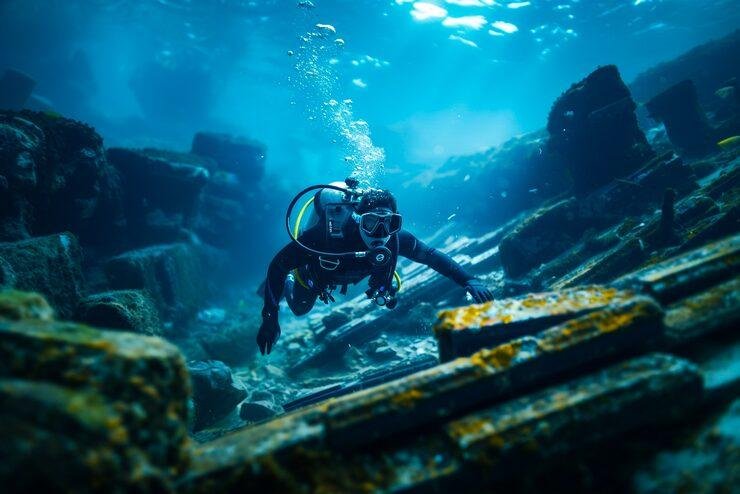
The allure of the ocean has always captivated the human spirit, drawing us toward the mysterious blue depths where life thrives in silence. Finding the best places to scuba dive is more than just a search for clear water; it is a quest for connection with a world that remains largely untouched by the frenetic pace of modern society. From the towering kelp forests of the Pacific to the intricate coral structures of the Atlantic, each site offers a unique story and a different set of challenges for the dedicated explorer.
Preparation is the bridge between a simple holiday and a true underwater expedition. Whether you are looking for the vibrant biodiversity of a protected reef or the eerie silence of a deep-sea shipwreck, the quality of your training and the reliability of your equipment will dictate the success of your journey. In this guide, we will explore the nuances of selecting the perfect destination and the technical requirements needed to ensure that every breath you take underwater is a safe one, allowing you to focus entirely on the majesty of the aquatic realm.
Every dive begins and ends with your air supply, and nothing is more fundamental to your survival than a well-maintained cylinder. A professional-grade scuba tank is the centerpiece of your life-support system, designed to hold high-pressure gas that sustains you for long periods beneath the surface. Understanding the differences between aluminum and steel options is crucial for any diver who wants to optimize their buoyancy and comfort in various water conditions.
Florida is often called the diving capital of the world for a reason, offering a vast array of environments that cater to every interest. From the world-famous reefs of Key Largo to the deep, current-swept ledges of Jupiter, the state provides a training ground like no other. These sites are perfect for those who wish to refine their skills before heading out on global adventures, offering encounters with goliath groupers and sea turtles.
Owning your equipment brings a level of familiarity that is impossible to replicate with rental gear. However, this ownership comes with the responsibility of regular maintenance to prevent failures at depth. Every reputable dive shop will emphasize the importance of annual visual inspections and periodic hydrostatic testing to ensure that your cylinders remain structurally sound and free from internal corrosion or contamination that could ruin a dive.
For those who wish to push beyond the limits of recreational diving, technical education is the next logical step. This specialized training allows you to visit environments that are off-limits to most, such as deep wrecks or intricate cave systems. Mastering these skills requires a deep understanding of gas laws, decompression theory, and the physiological effects of breathing different gas blends at significant depths in the ocean.
Extended bottom times are only possible if you have a thorough grasp of your air consumption rates. By learning to calculate your "Surface Air Consumption" or SAC rate, you can plan your dives with a much higher degree of precision and safety. This allows you to explore the far reaches of a reef system or stay longer at a specific depth without the stress of running low on air unexpectedly.
The history of diving is a story of constant innovation, from the early days of heavy brass helmets to the lightweight, high-tech systems we use today. Modern cylinders are engineered to withstand incredible pressures while remaining as light as possible. Using a modern system ensures that you have the latest safety features, such as advanced valve designs that prevent accidental gas loss and burst discs that protect against over-pressurization.
Maintaining your gear is not just about longevity; it is about ensuring your own safety and the safety of your dive buddy. A proactive approach to gear care prevents small issues from becoming major emergencies, giving you the peace of mind needed to enjoy the underwater world.
Always perform a thorough fresh-water rinse of your cylinder and valve after every single day of diving in saltwater.
Inspect the valve orifice for any signs of salt crystals or debris that could damage your regulator's first stage O-ring.
Check the hydrostatic test date stamped into the neck of the cylinder to ensure it is still within the legal five-year window.
Verify the visual inspection sticker is current, as most dive shops will refuse to fill a tank that is out of date.
Store your cylinders in an upright position in a cool, dry place to prevent internal moisture from settling on the walls.
Never leave a cylinder completely empty; always maintain a small amount of positive pressure to keep the interior dry and clean.
Use a protective boot on the bottom of the tank to prevent damage to the metal and to provide a stable base.
Periodically check the O-ring in the valve for cracks or flattening and replace it immediately if any wear is detected.
The journey to find the best places to scuba dive is a lifelong pursuit that rewards the curious and the well-prepared. By committing to high standards of education and equipment care, you unlock the ability to explore the most remote and beautiful corners of the planet, witnessing sights that remain hidden from the vast majority of humanity while staying safe.
Your scuba tank is more than just a piece of metal; it is your passport to another world. When you treat your gear with respect and seek out the highest level of professional instruction, every dive becomes a masterclass in discovery and a testament to the incredible beauty that lies beneath the surface of our blue planet.