English
 Arabic
 French
 Spanish
 Portuguese
 Deutsch
 Turkish
 Dutch
Dutch
 Italiano
 Russian
 Romaian
 Portuguese (Brazil)
 Greek
Greek

Easy Ways To Fix Your Bad Credit Score Quickly
Other |
2026-02-09 06:02:25
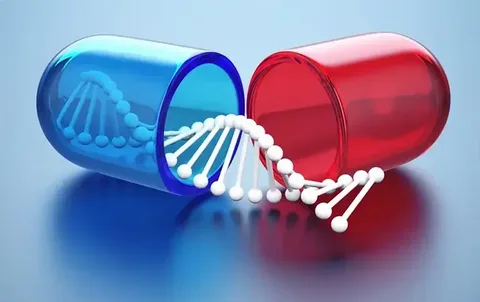
Modern medicine faces a persistent challenge with medication safety. Every year, millions of patients experience unexpected reactions to prescribed drugs. These adverse effects range from mild discomfort to life-threatening complications. The solution lies in understanding our individual genetic makeup.
Adverse drug reactions represent a significant public health concern worldwide. Studies show that medication-related problems affect nearly 30% of patients. Hospital admissions due to drug complications cost billions annually. Traditional prescribing methods follow a one-size-fits-all approach. This standard protocol ignores the crucial role of genetic variation.
Different people metabolize medications at vastly different rates. What works perfectly for one patient might harm another. The same dosage can be ineffective or toxic depending on genetics. Healthcare providers have long recognized this unpredictable pattern.
The consequences of adverse reactions extend beyond immediate health impacts. Patients lose trust in medical treatments after negative experiences. Quality of life diminishes when medications cause debilitating side effects. Work productivity suffers during recovery from drug-related complications. Family members also experience stress witnessing their loved ones struggle.
Emergency departments frequently treat patients experiencing unexpected medication reactions. These visits strain healthcare resources and delay care for others. Many reactions could be prevented with better prescribing approaches.
Pharmacogenetics examines how genes influence drug response in individuals. This scientific field combines pharmacology with genetic research. Our DNA contains instructions that determine how bodies process medications. Specific genes control enzymes responsible for drug metabolism.
The cytochrome P450 system plays a central role here. This enzyme family breaks down most common prescription medications. Genetic variants create different enzyme activity levels among people. Some individuals are poor metabolizers who process drugs slowly. Others are ultra-rapid metabolizers who eliminate medications too quickly.
Poor metabolizers face higher risks of drug accumulation and toxicity. Rapid metabolizers may not achieve therapeutic drug concentrations. Understanding these variations allows for personalized medication strategies.
Every medication follows a specific pathway through the human body. Genes encode proteins that transport, metabolize, and eliminate drugs. Variations in these genes alter how efficiently drugs work.
The TPMT gene affects responses to thiopurine medications. These drugs treat conditions like leukemia and autoimmune disorders. Patients with low TPMT activity risk severe bone marrow suppression. The CYP2D6 gene influences antidepressant and pain medication effectiveness. Warfarin dosing depends heavily on VKORC1 and CYP2C9 variants.
Healthcare providers can now predict these responses before prescribing. Pharmacogenetic testing reveals a patient's genetic profile for drug metabolism. This knowledge transforms medication selection from guesswork to precision.
Oncology has embraced pharmacogenetics to improve chemotherapy outcomes. Cancer treatments often have narrow therapeutic windows and serious toxicities. Genetic testing helps oncologists select appropriate drugs and dosages. The 5-FU chemotherapy agent requires DPYD gene testing beforehand. Patients with certain variants face life-threatening toxic reactions.
Cardiovascular medicine uses genetic information for anticoagulant therapy. Blood thinners like warfarin require careful dose adjustments. Traditional methods involve trial and error with bleeding risks. Genetic testing provides accurate starting doses from day one. This precision prevents dangerous bleeding episodes and treatment failures.
Mental health treatment has been revolutionized by pharmacogenetic insights. Antidepressants show highly variable responses among patients with depression. Many people try multiple medications before finding effective treatment. Genetic testing identifies which antidepressants will likely work best. This approach reduces the frustrating trial-and-error period significantly. Psychiatrists can avoid medications that won't work genetically.
Pain management benefits enormously from understanding genetic opioid metabolism. Codeine converts to morphine through specific enzyme pathways. Some patients cannot make this conversion due to genetics. Others convert codeine too rapidly, risking dangerous overdose situations. Pharmacogenetic testing reveals the safest pain relief options available.
Pharmacogenetics directly prevents serious adverse drug reactions in clinical practice. Patients receive medications compatible with their unique genetic profiles. This precision reduces emergency room visits related to drug complications.
Hospital stays become shorter when medications work correctly from start. Healthcare costs decrease as fewer adjustments and interventions are needed. Patient compliance improves when side effects are minimized early on.
The technology also identifies patients at risk for specific reactions. Some genetic variants predict severe skin reactions to certain medications. Others indicate increased risk for drug-induced liver damage. Knowing these risks ahead of time prevents potentially fatal outcomes.
Despite clear benefits, pharmacogenetics adoption faces several practical hurdles. Cost remains a significant barrier for many healthcare systems. However, prices for genetic testing continue to decline steadily. Many insurance providers now cover testing for specific medications.
Healthcare providers need education about interpreting genetic test results. Medical schools are increasingly incorporating pharmacogenetics into curricula. Clinical decision support tools help translate genetic data into actions. Continuing education programs update practicing physicians on new discoveries.
Electronic health record systems now integrate genetic information seamlessly. Once tested, results remain valuable throughout a patient's lifetime. This one-time investment provides ongoing benefits for medication management.
Regulatory frameworks are evolving to support widespread testing adoption. The FDA now includes pharmacogenetic information in many drug labels. Clinical practice guidelines incorporate genetic testing recommendations. Professional medical organizations endorse testing for high-risk medications.
Pharmacogenetics represents just the beginning of precision medicine. Research continues to discover new gene-drug interactions regularly. The field expands beyond single genes to complex genetic interactions.
Artificial intelligence helps analyze vast amounts of genetic data. Machine learning algorithms predict drug responses with increasing accuracy. These technologies will make personalized prescribing the standard of care.
Preventive medicine will benefit tremendously from genetic insights. Doctors can anticipate medication needs before diseases fully develop. This proactive approach improves outcomes while reducing healthcare costs.
Patients increasingly seek active roles in their healthcare decisions. Understanding personal genetic information empowers informed medication choices. Many people carry genetic test results to all medical appointments.
Pharmacogenetic reports provide clear, actionable information for patients. These documents explain which medications to avoid or use cautiously. They also highlight drugs likely to be safe and effective.
Family members can benefit from shared genetic information too. Drug metabolism patterns often run in families through inheritance. This knowledge helps relatives make better medication decisions proactively.
Pharmacogenetics fundamentally changes how we approach medication therapy. By understanding genetic influences on drug response, we prevent harm. Adverse drug reactions decrease when prescribing matches genetic capabilities.
The integration of genetic testing into routine care continues growing. More healthcare providers recognize the value of personalized medication strategies. Patients experience better outcomes with fewer complications and side effects.
As technology advances and costs decrease, accessibility will improve further. Pharmacogenetics will eventually become standard practice in all medical settings. This evolution represents a significant step toward truly personalized healthcare.
The promise is clear: safer medications, better outcomes, healthier lives. Understanding our genetic blueprint unlocks the potential for precision medicine. Every patient deserves treatment tailored to their unique biological needs.