English
 Arabic
 French
 Spanish
 Portuguese
 Deutsch
 Turkish
 Dutch
Dutch
 Italiano
 Russian
 Romaian
 Portuguese (Brazil)
 Greek
Greek

IPO Readiness Assessment: A Complete Guide for Growing Businesses
Other |
2026-02-21 11:29:30
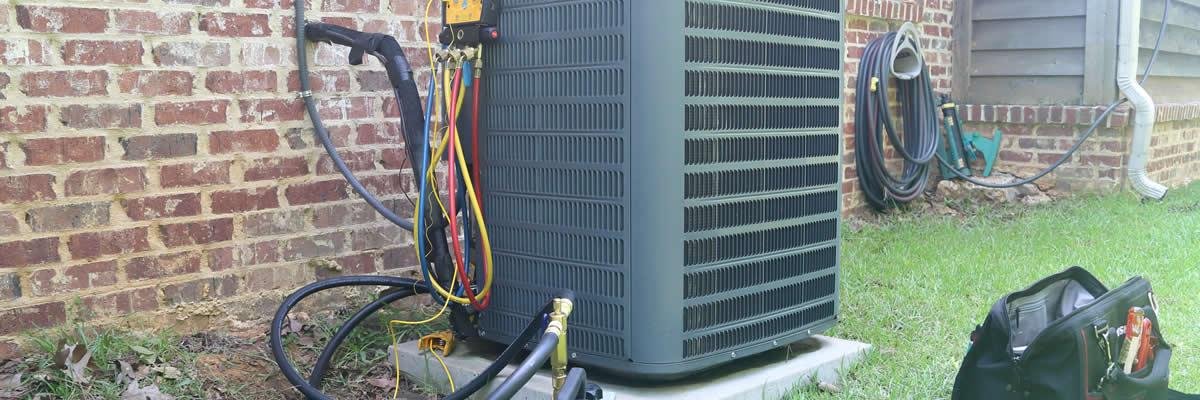
When your air conditioner is running but the house still feels warm and sticky, it’s hard not to panic—especially in peak summer heat. And if you own a Trane system, you might be thinking, “This is supposed to be a reliable brand… so why is it acting up?” The truth is, even well-built units need maintenance and occasional repairs. Dust builds up, parts wear down, and small issues can quietly turn into expensive ones if they’re ignored.
If you’re dealing with poor cooling, strange noises, or a Trane unit that won’t turn on at all, here’s a human, practical guide to Trane AC repair—what commonly goes wrong, what you can safely check yourself, and when it’s time to call a professional.
Common Signs Your Trane AC Needs Repair
Most AC problems give you warning signs before the system completely fails. Pay attention to these:
Any one of these can have a simple cause—or point to a bigger issue.
Quick Checks You Can Do Before Calling for Trane AC Repair
You don’t need to be a technician to rule out the most common, easy-to-fix problems. These checks can save you time and money.
1. Check the thermostat settings
Make sure it’s set to “Cool,” not “Heat” or “Fan.” Replace batteries if your thermostat uses them. Also check that the temperature is set lower than the current room temperature.
2. Inspect the air filter
A clogged filter is one of the most common causes of weak airflow, frozen coils, and poor cooling. If it looks dusty or gray, replace it. Many homeowners are surprised by how much better the system runs after a simple filter change.
3. Check the circuit breaker
If your Trane AC won’t turn on, look at the breaker panel. A tripped breaker can happen after power surges or strain on the system. If it keeps tripping, don’t keep resetting it—call a pro, because something is likely causing overload.
4. Look at the outdoor unit
Make sure leaves, grass clippings, or debris aren’t blocking airflow. Clear at least a couple of feet around the unit. If the outdoor fan isn’t spinning while the system is supposed to be running, that’s a sign of a serious issue.
5. Check vents and registers
Closed vents, blocked returns, or furniture covering registers can reduce airflow and make the system work harder than it should.
If you do these checks and the AC still isn’t cooling, it’s time to dig deeper.
Common Trane AC Problems Technicians See
Trane systems are known for quality, but no AC is immune to wear and tear. Some of the most common repair issues include:
Refrigerant leaks
Low refrigerant can cause warm air, frozen coils, and long run times. Refrigerant doesn’t “get used up”—if it’s low, there’s a leak that needs to be found and repaired before recharging.
Capacitor or contactor failure
These are electrical components that help start and run the compressor and fan motors. When they fail, the unit may click, hum, or struggle to start.
Dirty evaporator or condenser coils
Coils need clean surfaces to transfer heat. When they’re coated with dirt, cooling performance drops and energy use goes up. Dirty coils can also lead to freezing.
Blower motor issues
If airflow is weak or inconsistent, the blower motor or its components could be the problem. Sometimes it’s a simple fix; sometimes it’s a replacement.
Drain line clogs
If you see water near the indoor unit, the condensate drain line may be clogged. This can lead to leaks, water damage, and in some cases, system shutdown if the safety switch trips.
Compressor problems
This is one of the bigger repairs. Compressor issues can cause loud noises, poor cooling, or complete failure. If a compressor is failing, it’s important to catch it early—sometimes other problems (like electrical issues or low refrigerant) are the root cause.
When to Call a Professional Right Away
Some problems aren’t safe or smart to DIY. Call for Trane AC repair if:
AC systems involve high voltage and refrigerant handling, which should be left to licensed technicians.
How to Prevent Repairs (or at Least Reduce Them)
You can’t prevent every breakdown, but you can reduce the odds of surprise failures.
Routine maintenance often catches small issues—like a failing capacitor—before it turns into a no-cooling emergency.
Final Thought
Trane AC repair doesn’t have to be a nightmare, but it does require quick action when something feels off. The sooner you respond to warning signs like weak airflow, warm air, strange noises, or ice buildup, the more likely the fix will be simple instead of expensive. Start with basic checks like filters, breakers, and outdoor airflow, and if the problem persists, bring in a qualified technician. A reliable Trane system can last a long time—but like any hardworking machine, it runs best when small problems are handled before they turn into big ones.