


Radon Testing 101: Short-Term vs. Long-Term Tests Explained
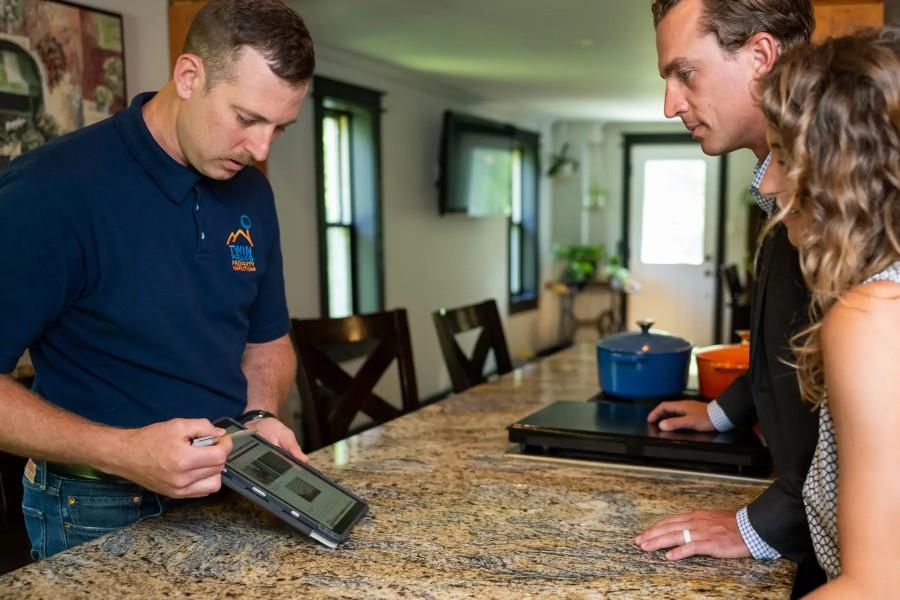
Radon is one of those home hazards that doesn’t get much attention—until it does. You can’t see it, smell it, or taste it, yet it can quietly affect your health over time. As professionals who’ve worked alongside Home Inspectors in Howard County for years, we’ve seen how often homeowners are surprised by radon results. And here’s the thing: understanding the difference between short-term and long-term tests makes all the difference. Whether you’re buying a house, selling one, or just trying to protect your family, radon testing in maryland is not something to put off.
What Is Radon and Why Should You Test for It?
Radon is a naturally occurring radioactive gas released from soil and rock. It moves up through the ground and can seep into homes through foundation cracks, sump pits, and even tiny gaps around pipes. According to the EPA, radon is the second leading cause of lung cancer in the U.S. That’s not a statistic meant to scare—it’s meant to inform. Many Home Inspectors in Howard County include radon discussions during inspections because the region’s geology makes radon testing in maryland especially relevant.
The Two Main Types of Radon Tests
Before we dig deeper, let’s simplify things. There are two primary radon test types, and each serves a specific purpose:
-
Short-term radon tests
-
Long-term radon tests
Understanding how and when to use each one helps you make informed decisions instead of guessing.
Short-Term Radon Tests: Fast Answers, Quick Decisions
Short-term tests typically run from 2 to 7 days. They’re popular during real estate transactions when time is tight and decisions need to be made quickly. We’ve seen buyers rely on these tests to negotiate repairs or mitigation before closing. That being said, short-term results can fluctuate due to weather, ventilation, or even how often doors are opened. This is why radon testing in maryland often starts with short-term testing but doesn’t always end there.
Pros of Short-Term Testing
-
Fast results
-
Lower cost
-
Ideal for real estate timelines
Cons to Consider
-
Can be influenced by short-term conditions
-
May not reflect year-round exposure
Short-term tests are a great first step, but they’re not always the final answer.
Long-Term Radon Tests: The Big Picture
Long-term tests run for 90 days or more, sometimes up to a year. They’re designed to provide an average radon level over time, accounting for seasonal changes. On the flip side of speed, these tests require patience—but the accuracy is worth it. Many Home Inspectors in Howard County recommend long-term testing for homeowners planning to stay put for years. When it comes to radon testing in maryland, long-term data often provides the clearest insight into actual health risk.
Why Long-Term Tests Matter
-
More accurate annual averages
-
Better foundation for mitigation decisions
-
Reduced impact from short-term fluctuations
If you’re serious about understanding your home’s radon exposure, long-term testing is hard to beat.
Short-Term vs. Long-Term: Which One Should You Choose?
Here’s the kicker: you don’t always have to choose just one. In many cases, professionals suggest starting with a short-term test. If the results come back close to or above the EPA action level of 4.0 pCi/L, a long-term test can confirm whether mitigation is truly needed. We’ve seen Home Inspectors in Howard County use this approach to help clients avoid unnecessary expenses while still prioritizing safety.
How Radon Tests Are Conducted
Radon tests are surprisingly simple. Devices are placed in the lowest lived-in level of the home, away from drafts, windows, and high humidity. During short-term tests, closed-house conditions are required—meaning windows and exterior doors stay shut except for normal entry and exit. Home Inspectors in Howard County emphasize placement and conditions because small mistakes can lead to misleading results, especially during radon testing in maryland where weather changes can be unpredictable.
Understanding Your Radon Test Results
Once the results come in, numbers matter. Here’s a quick breakdown:
-
Below 2.0 pCi/L: Low risk, retest in the future
-
Between 2.0 and 4.0 pCi/L: Consider follow-up testing
-
Above 4.0 pCi/L: Mitigation recommended
Interpreting results correctly is a key part of radon testing in maryland, and it’s something experienced professionals help homeowners understand clearly.
Why Radon Is a Bigger Deal in Maryland Homes
Maryland’s soil composition and rock formations contribute to elevated radon potential in many areas. That’s why radon testing in maryland is often recommended regardless of home age. New construction isn’t immune. We’ve tested brand-new homes with higher radon levels than older properties. This surprises many homeowners, but seasoned Home Inspectors in Howard County see it all the time.
What Happens If Radon Levels Are High?
High radon levels don’t mean panic—they mean action. Radon mitigation systems are highly effective, often reducing radon levels by up to 99%. The most common system uses a vent pipe and fan to pull radon from beneath the home and release it safely outside. Homeowners are often relieved to learn that mitigation is straightforward and affordable compared to the long-term health risks. This is another reason radon testing in maryland is considered a smart investment, not just an optional add-on.
When Should You Test or Retest?
Testing isn’t a one-and-done deal. You should retest:
-
Every two years
-
After major renovations
-
When changing HVAC systems
-
If you start using a lower level of the home
Many Home Inspectors in Howard County advise homeowners to make radon testing part of routine home maintenance, especially in regions known for elevated radon potential.
DIY Testing vs. Professional Testing
DIY radon kits are widely available and can be reliable if instructions are followed carefully. However, professional testing offers added confidence, especially during real estate transactions. Professionals ensure proper placement, timing, and interpretation of results. In many cases, buyers and sellers prefer results overseen by Home Inspectors in Howard County because the findings carry more weight during negotiations and align with best practices for radon testing in maryland.
Common Radon Myths—Debunked
Let’s clear up a few misconceptions:
-
“My neighbor tested low, so I’m fine.” Not necessarily.
-
“Only old homes have radon.” False.
-
“Radon problems are rare.” Unfortunately, they’re not.
Education is a big part of radon testing in maryland, and debunking myths helps homeowners take proactive steps instead of relying on assumptions.
Final Thoughts: Knowledge Is Protection
Radon testing doesn’t have to be overwhelming. Short-term tests offer quick insights, while long-term tests provide a more accurate picture of ongoing exposure. The key is understanding when and how to use each method. Working with trusted Home Inspectors in Howard County ensures testing is done correctly and results are explained clearly. At the end of the day, radon testing in maryland is about protecting your health, your investment, and your peace of mind. Taking action today can make your home safer for years to come.

 English
 Arabic
 French
 Spanish
 Portuguese
 Deutsch
 Turkish
 Dutch
Dutch
 Italiano
 Russian
 Romaian
 Portuguese (Brazil)