


Liposuction surgery in Riyadh vs non-surgical fat reduction
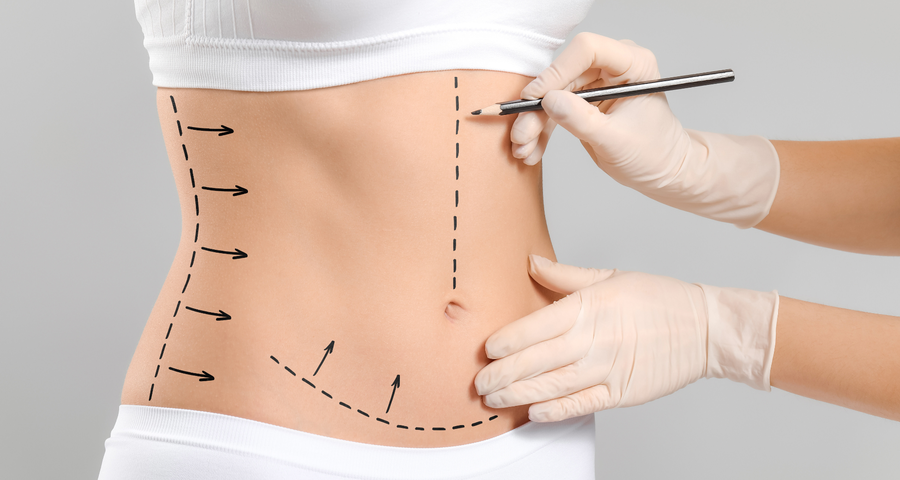
Body contouring has become increasingly popular in Riyadh as more people seek ways to reduce stubborn fat and improve their physical appearance. Two major categories of fat reduction are surgical procedures like liposuction and non-surgical, energy-based treatments. While both aim to reduce unwanted fat and enhance body shape, they differ significantly in method, results, recovery, and suitability. Understanding the distinctions can help you choose the option that best fits your goals, tolerance for downtime, and expectations. Liposuction surgery in Riyadh is a popular body contouring option for individuals seeking to remove stubborn fat and achieve a more sculpted, balanced appearance.
What Liposuction Surgery Is
Liposuction is a surgical fat removal procedure that physically removes fat cells from targeted areas of the body. In Riyadh’s advanced aesthetic clinics, liposuction is offered in multiple forms including traditional suction-assisted, ultrasound-assisted, laser-assisted, and power-assisted techniques. Regardless of the method, the core idea remains the same: actual fat cells are disrupted and extracted through small incisions using a cannula and suction device.
Because liposuction removes fat directly, it delivers more dramatic contour changes compared with non-surgical alternatives. Popular treatment areas include the abdomen, hips, thighs, buttocks, arms, back, and neck. The procedure is usually performed under local or general anesthesia, depending on the extent of treatment.
What Non-Surgical Fat Reduction Is
Non-surgical fat reduction refers to a group of treatments that reduce fat without cutting the skin or making incisions. These methods typically use heat, cold, ultrasound, or radiofrequency energy to target fat cells. The energy either freezes, heats, or otherwise disrupts fat cells so that the body gradually eliminates them over weeks or months. Since no surgery is involved, these treatments are often called “non-invasive” or “minimally invasive.”
Common non-surgical treatments in Riyadh include cryolipolysis (fat freezing), radiofrequency fat reduction, ultrasound cavitation, and laser lipolysis. Each technique has a different mechanism, but all aim to reduce small pockets of fat in a more subtle way than surgical liposuction.
Comparison: Results
Liposuction Surgery:
One of the biggest advantages of surgical liposuction is immediate and significant fat removal. Once the swelling settles, patients usually see a clear difference in body shape. Because fat is physically removed from the body, liposuction can achieve a high level of contouring in a single session. For patients with stubborn fat that does not respond to diet and exercise, surgical liposuction often delivers the most noticeable and satisfying results.
Surgical liposuction can also treat larger areas more effectively and can be tailored to create dramatic changes in body proportions, such as slimming the waistline or contouring the thighs.
Non-Surgical Fat Reduction:
Non-surgical treatments produce gradual and moderate improvements. Results usually develop over weeks to months as the body metabolizes the disrupted fat cells. These treatments are best suited for people with mild to moderate fat deposits rather than significant excess. While they improve contour and reduce small bulges, they typically cannot match the dramatic reshaping that liposuction delivers.
Comparison: Recovery and Downtime
Liposuction Surgery:
Because liposuction is a surgical procedure, recovery requires more time and planning. Patients can expect swelling, bruising, and soreness for several days to a few weeks. Most surgeons recommend wearing compression garments to support healing and reduce swelling. Exercise and strenuous activities are usually restricted for several weeks.
Although modern techniques have improved comfort and recovery time, liposuction still involves downtime that must be factored into daily life or work schedules.
Non-Surgical Fat Reduction:
This category has a major advantage in the form of minimal to no downtime. Most non-surgical treatments allow patients to resume normal activities immediately. Mild redness, numbness, or tenderness may occur but typically resolves quickly. There’s no need for general anesthesia, sutures, or extensive healing time. For many people with busy lives, the convenience of non-surgical options is a strong deciding factor.
Comparison: Pain and Comfort
Liposuction Surgery:
Because it is surgical, liposuction involves anesthesia and some discomfort during recovery. Pain levels vary depending on the technique used and the size of the treated area. Surgeons use local or general anesthesia to keep patients comfortable during the procedure, but soreness and sensitivity afterward are expected.
Non-Surgical Fat Reduction:
These treatments are generally well tolerated with minimal discomfort. Cold, heat, vibration, or sound waves may be felt during the session, but pain is usually mild and temporary. Most patients compare the feeling to an intense cold or warm sensation, tingling, or muscle stimulation rather than true pain.
Comparison: Suitability and Goals
Liposuction Surgery:
Ideal for people with moderate to significant fat deposits who want noticeable reshaping and contouring. It is also suitable for individuals who have previously tried diet and exercise without success in specific areas. Liposuction may also be combined with other surgical procedures like tummy tucks for comprehensive body contouring.
Non-Surgical Fat Reduction:
Best for people with small pockets of stubborn fat who want mild improvement with minimal risk and downtime. These treatments are popular for areas such as the abdomen, flanks (love handles), thighs, and upper arms. They are also a good option for individuals who are not ready for surgery or who have medical limitations that make surgery less desirable.
Comparison: Cost Considerations
In general, surgical liposuction costs more than non-surgical treatments due to the complexity of the procedure, anesthesia, and facility fees. However, liposuction often provides results in one session, whereas non-surgical options may require multiple sessions to achieve visible improvement.
When weighing cost, it’s important to consider both the degree of change desired and long-term results. Some patients prefer investing more upfront for a single surgical outcome rather than paying for repeated non-surgical sessions.

 English
 Arabic
 French
 Spanish
 Portuguese
 Deutsch
 Turkish
 Dutch
Dutch
 Russian
 Romaian
 Portuguese (Brazil)
 Greek
Greek