 English
 Arabic
 French
 Spanish
 Portuguese
 Deutsch
 Turkish
 Dutch
Dutch
 Italiano
 Russian
 Romaian
 Portuguese (Brazil)
 Greek
Greek

Electrocardiographs Market Market Drivers, Environmental Factors and Forecast to 2033
Health |
2026-02-06 06:22:56
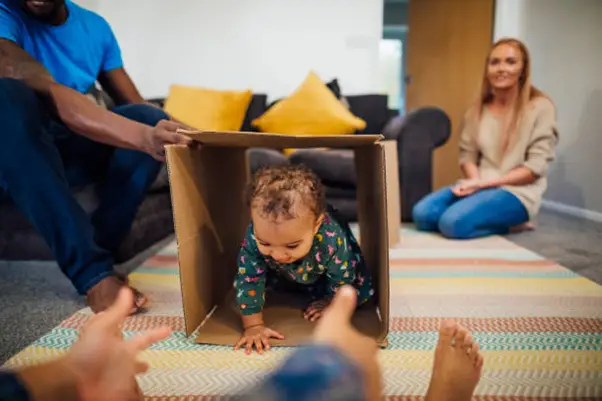
Physical games for preschoolers are essential for helping young children stay active, develop motor skills, and build confidence through joyful movement. When play is combined with purpose, children not only have fun but also grow stronger emotionally, socially, and physically. These fun activities range from exciting outdoor play to creative indoor challenges all designed to make learning through movement a natural part of childhood.
Active movement boosts coordination, balance, and endurance while encouraging children to engage with their world. Preschool activities that involve running, jumping, and imaginative play help children burn energy, learn new skills, and build friendships. Whether in a large outdoor space or cozy indoor corner, physical play supports growth in every environment.
Here are some engaging physical games that make movement fun:
Classic outdoor games like tag, relay races, and hopscotch offer opportunities to improve speed, agility, and gross motor skills. These games also foster teamwork and cooperation among peers.
Rainy days or quiet afternoons call for indoor activities like balloon volleyball, dance parties, or animal walks. These ideas keep kids moving and entertained while strengthening listening skills and coordination.
Making games part of learning like alphabet jumping or color matching encourages children to engage both mentally and physically. These play and learn moments help reinforce concepts in exciting ways.
Physical games aren’t just for school they make great family activities too. Backyard obstacle courses, family bike rides, and park picnics are perfect ways to stay active together. Looking for kids activities near me like local parks, playgrounds, or community events can help families discover new places for movement, exploration, and social interaction.
Regular physical play supports healthy bodies and confident minds. Through these games, children improve focus, develop problem-solving skills, and gain emotional benefits like resilience and joy. Active play also encourages kids to take healthy risks, express creativity, and build a foundation for lifelong fitness.
Physical games for preschoolers combine fun with learning, giving children opportunities to grow through movement. From outdoor games and indoor activities to family play and creative challenges, active play helps children develop essential life skills while having a great time. Encouraging physical activity every day supports happy, healthy, and confident learners.




