 English
 Arabic
 French
 Spanish
 Portuguese
 Deutsch
 Turkish
 Dutch
Dutch
 Italiano
 Russian
 Romaian
 Portuguese (Brazil)
 Greek
Greek

Cabin Air Filters: The Unsung Hero of Your Car's AC (And When to Change Them)
Other |
2026-02-13 12:30:34
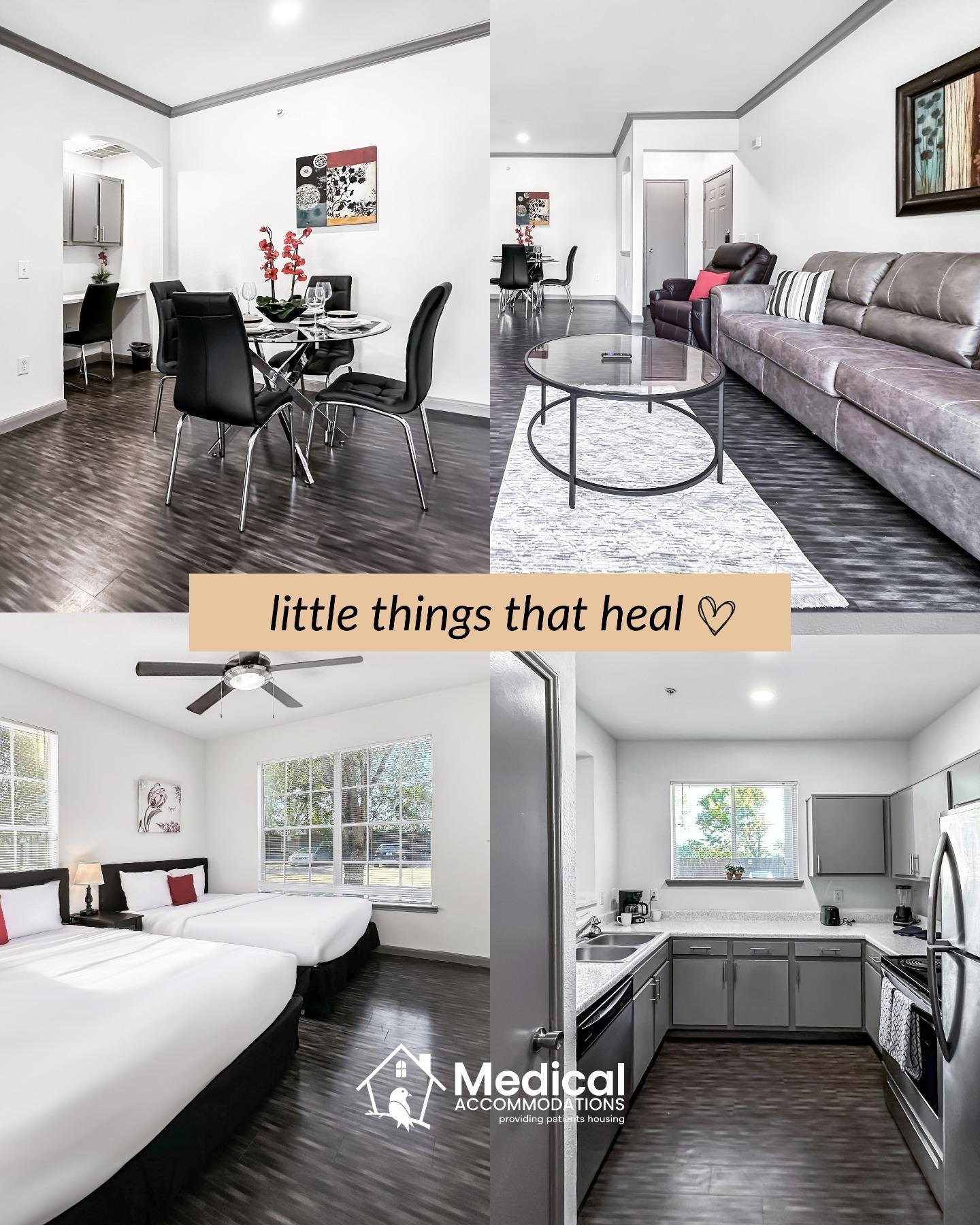
Renting your first apartment can feel overwhelming—especially in one of Houston’s most competitive housing zones. If you’re considering Med Center apartments in Houston, you’re entering a rental market shaped by healthcare, education, research, and international travel.
The neighborhoods surrounding the Texas Medical Center (TMC) are unlike most areas of the city. With major institutions such as MD Anderson Cancer Center, Houston Methodist, Texas Children’s Hospital, Baylor College of Medicine, and UTHealth Houston, this area attracts doctors, nurses, students, researchers, patients, caregivers, and young professionals year-round.
For first-time renters, understanding how this housing market works is essential. This complete guide walks you through costs, neighborhoods, lease types, transportation, lifestyle, and insider tips so you can rent confidently.
First-time renters are often:
Medical students
Recent graduates
New healthcare employees
Research fellows
Professionals relocating to Houston
Many choose the Medical Center area because of:
Short commute times
Walkability and transit access
Reliable infrastructure
Year-round housing demand
Unlike suburban areas, living near the Medical Center allows renters to build routines around convenience rather than traffic.
The Medical Center rental market behaves differently than most Houston neighborhoods.
Continuous demand (no true slow season)
High renter turnover
Flexible lease options
Strong furnished housing inventory
Competitive pricing near walkable zones
Because hospitals operate 24/7, demand remains steady—even when other parts of Houston soften.
For first-time renters, this means:
Good units lease quickly
Preparation matters
Waiting too long can cost you options
Rental pricing varies by distance, amenities, and furnishing.
Studio: $950 – $1,300
1-Bedroom: $1,250 – $1,900
2-Bedroom: $1,600 – $2,800
Furnished 1-Bedroom: $2,300 – $4,000
Application fees
Security deposit
Parking ($50–$150/month)
Utilities (if not included)
Renters insurance
First-time renters should calculate total monthly expenses—not just base rent.
Several neighborhoods offer different lifestyles and price points.
Best for: Maximum convenience
Walk to hospitals
Strong transit access
Higher rent, high demand
Ideal if you want the shortest commute possible.
Best for: Balanced lifestyle
Access to Hermann Park
Cultural attractions
Quiet, upscale feel
Popular among professionals and long-term renters.
Best for: Residential value
Larger units
Calmer environment
Short drive to TMC
Good option for renters wanting space without extreme pricing.
Best for: Younger renters
Dining and nightlife
Direct METRORail access
Social energy
Ideal for students and early-career professionals.
Best for: Upscale living
Walkable retail
Bike-friendly
Strong community vibe
More expensive, but polished and secure.
Most affordable monthly option
Best for:
Full-time employees
Students staying a year or more
Be aware:
Early termination fees may apply
Higher monthly rent
More flexible
Common near the Medical Center
Best for:
Travel nurses
Research fellows
Temporary relocations

Furnished Apartments:
Move-in ready
Utilities often included
Higher rent
Unfurnished Apartments:
Lower monthly rent
Requires furniture setup
For first-time renters relocating from another city, furnished options can reduce stress.
Living near Houston Medical Center apartments offers rare transit flexibility.
Walking
METRORail Red Line
Biking
Driving
Typical commute times:
Walk: 5–15 minutes
Rail: 10–20 minutes
Drive: Under 10 minutes
Compared to 45–60 minute Houston commutes elsewhere, this is a significant lifestyle upgrade.
The lifestyle near the Medical Center is structured and efficient.
Early mornings
Quiet evenings
Health-focused routines
Minimal traffic stress
The area supports rest and productivity rather than nightlife.
This makes it ideal for:
Healthcare professionals
Graduate students
Researchers
Patients and caregivers
Because of the Medical Center’s global importance, surrounding neighborhoods benefit from:
Enhanced lighting
Security presence
Well-maintained sidewalks
Reliable emergency services
For first-time renters, safety and infrastructure consistency offer peace of mind.
First-time renters should focus on practical features:
✔ In-unit washer/dryer
✔ Secure entry
✔ Assigned or covered parking
✔ Proximity to rail or hospital
✔ Noise insulation
✔ Reliable maintenance
Luxury amenities are nice—but commute and comfort matter more long term.
Avoid these:
Waiting too long to apply
Ignoring total monthly costs
Overlooking lease penalties
Choosing size over location
Skipping walk-through inspections
Preparation is critical in competitive areas like the Medical Center.
A good rule of thumb:
Rent should not exceed 30–35% of monthly income
Don’t forget:
Electricity (higher in summer)
Internet
Groceries
Transportation
Living closer to work may save money in commuting costs.
This area is ideal if you:
Work at a hospital
Attend medical school
Value short commutes
Prefer structured environments
Want reliable infrastructure
It may not suit you if:
You want suburban quiet with yards
You prioritize nightlife
You need ultra-low rent
Med Center apartments remain competitive because:
Healthcare never pauses
Academic rotations continue year-round
Patients travel from across the world
Limited land keeps supply controlled
This stability benefits renters seeking consistency.
Before committing, ask:
How long am I staying?
What is my realistic monthly budget?
Is the commute walkable or rail-accessible?
Are utilities included?
What happens if I break the lease early?
Clarity prevents costly surprises.
For first-time renters, Med Center apartments in Houston offer one of the city’s most practical and reliable living environments. With strong infrastructure, flexible leasing, walkable access, and steady demand, the Medical Center area stands apart from most Houston neighborhoods.
Renting here means prioritizing time savings, daily efficiency, and lifestyle convenience. With proper planning and understanding of the local market, first-time renters can secure housing that supports both professional goals and personal well-being.


