


Driving Risk Mitigation and Compliance: The GRC Opportunity
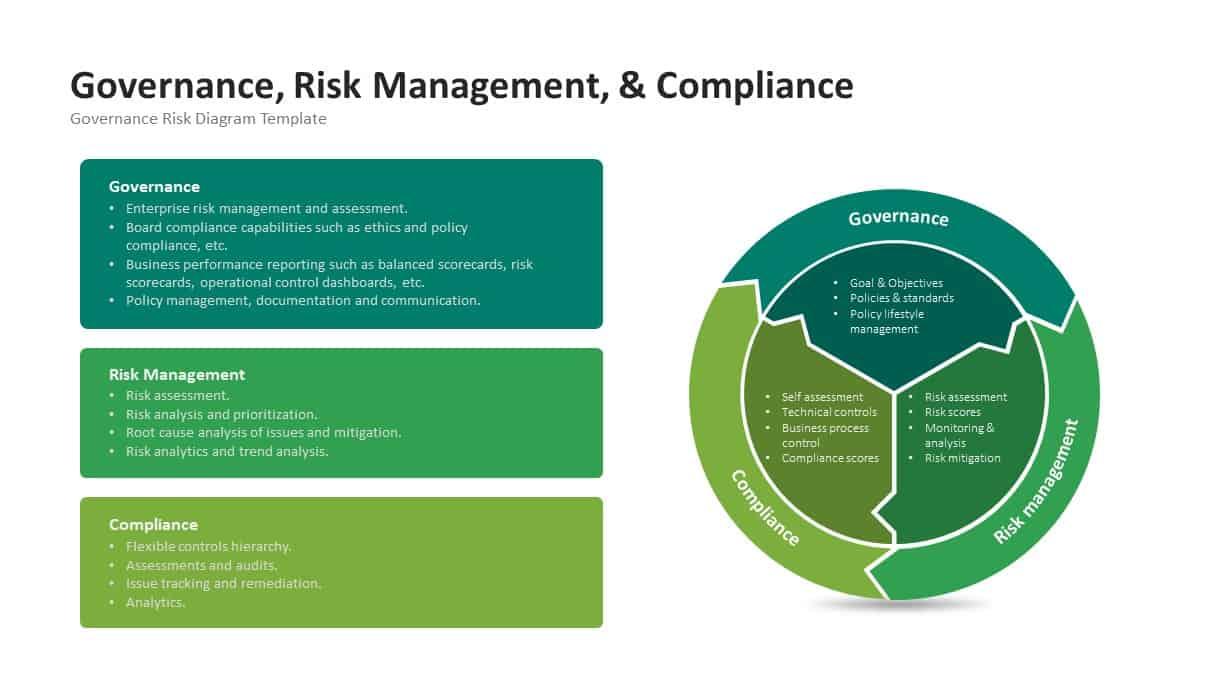
The global business landscape is evolving at an unprecedented pace, driven by digital transformation, increasing regulatory scrutiny, and the proliferation of cyber threats. In this complex environment, organizations are under mounting pressure to strengthen their governance structures, manage operational and financial risks effectively, and ensure compliance with ever-changing regulatory mandates. Enterprise Governance, Risk, and Compliance (GRC) solutions have emerged as critical tools for organizations seeking to streamline these processes, reduce exposure to risks, and drive strategic decision-making.
The global Enterprise GRC market reflects this growing priority. Valued at US$24.5 billion in 2026, the market is projected to reach US$57.3 billion by 2033, expanding at a robust CAGR of 12.9% from 2026 to 2033. This growth underscores a rising demand across sectors for integrated solutions that provide transparency, accountability, and risk mitigation capabilities.
Market Drivers
Several factors are propelling the adoption of enterprise GRC solutions globally:
- Rising Regulatory Complexity
Regulatory frameworks are becoming increasingly complex across the globe. Financial institutions, healthcare organizations, and technology firms are frequently required to adhere to strict compliance standards. For example, in Europe, regulations such as GDPR, DORA (Digital Operational Resilience Act), and ESG disclosure requirements have heightened the need for robust compliance solutions. Similarly, in the BFSI sector, regulations on digital fraud prevention and real-time reporting push enterprises to adopt advanced GRC platforms.
- Growing Digital Risks
As businesses embrace digital transformation, the exposure to cyber threats, data breaches, and operational risks increases significantly. Companies are seeking GRC solutions that integrate cybersecurity risk management, internal audit capabilities, and automated compliance workflows to proactively detect and respond to potential threats. Real-time monitoring of risks and automated reporting are becoming standard requirements for enterprises aiming to maintain resilience and protect stakeholder trust.
- Demand for Operational Efficiency
Enterprises are increasingly looking to unify fragmented governance and compliance processes. Traditional approaches, which involve manual tracking and siloed compliance systems, are inefficient and prone to errors. Modern GRC platforms offer centralized dashboards, automated workflows, and integrated risk management, allowing organizations to improve efficiency while reducing costs.
Segment Insights
The Enterprise GRC market can be segmented by component, deployment type, end-use industry, and region. Each segment reflects distinct adoption trends and growth dynamics.
Software vs. Services
Software solutions dominate the market, accounting for 65.7% of global GRC revenue in 2026. This dominance is driven by features such as:
- Automated compliance tracking
- Integrated audit management
- Real-time risk reporting
- Centralized policy management
While software leads the market, services—including consulting, implementation, and training—play a complementary role, helping organizations tailor GRC solutions to their specific regulatory and operational requirements.
Deployment Trends: Cloud vs. On-Premises
Cloud-based GRC solutions are gaining significant traction, capturing 55.9% of the market in 2026 and emerging as the fastest-growing deployment model. Organizations are increasingly adopting SaaS platforms due to benefits such as:
- Lower infrastructure costs
- Scalability for global operations
- Rapid updates in response to evolving regulations
- Reduced IT maintenance requirements
On-premises deployment remains relevant, particularly for highly regulated industries with strict data residency requirements, but the shift toward cloud reflects a broader trend of digitalization and remote accessibility.
Industry Verticals
The Banking, Financial Services, and Insurance (BFSI) sector is the largest end-use segment, with a 24.6% market share in 2026. BFSI organizations face stringent regulatory oversight, increasing digital fraud risks, and the need for real-time risk monitoring. GRC solutions help these institutions achieve compliance while safeguarding against financial and operational risks.
Other industries, including healthcare, manufacturing, and energy, are also driving growth. For healthcare, patient data protection and regulatory compliance are key priorities. In manufacturing and energy, operational risk management and environmental compliance are central to strategic planning.
Regional Insights
The Enterprise GRC market demonstrates strong regional diversity, with adoption driven by regulatory frameworks, digital maturity, and sector-specific risks.
North America: Market Leader
North America dominates the Enterprise GRC landscape, accounting for 37.8% of global market share in 2026. Factors contributing to this leadership include:
- Stringent regulations such as SOX, HIPAA, and state-level privacy laws
- High costs associated with data breaches and regulatory non-compliance
- Rapid enterprise investment in cybersecurity compliance and risk management technologies
U.S.-based enterprises, in particular, prioritize integrated GRC platforms that combine compliance, risk, and audit management in a single environment, reflecting the region's advanced technological infrastructure.
Europe: Compliance-Driven Growth
Europe accounts for 24.1% of the market in 2026, largely due to regulatory enforcement and increasing ESG reporting requirements. GDPR, DORA, and new corporate governance mandates are compelling organizations to adopt centralized GRC solutions. The European market emphasizes transparency, reporting accuracy, and sustainability compliance, making integrated platforms a necessity for multinational corporations.
East Asia: Fastest-Growing Regional Cluster
East Asia, with a 22.1% market share in 2026, is emerging as one of the fastest-growing regions. Growth is driven by:
- China’s evolving data protection rules and cybersecurity regulations
- Japan’s corporate governance reforms, focusing on accountability and risk mitigation
- South Korea’s digital audit mandates and technology-driven compliance initiatives
As enterprises expand across regional and global markets, scalable cloud-based GRC solutions are increasingly favored.
Other Regions
Latin America, the Middle East, and Africa are witnessing gradual adoption of GRC platforms, driven by local regulatory changes, digital transformation initiatives, and the need for operational efficiency. These regions represent untapped growth opportunities as awareness and infrastructure improve.
Technology Trends in GRC
The Enterprise GRC market is evolving in tandem with technology advancements. Some of the key trends include:
- Artificial Intelligence (AI) and Machine Learning (ML)
AI and ML are being leveraged to enhance predictive risk analysis, automate compliance checks, and improve fraud detection. These technologies enable organizations to identify emerging threats and regulatory gaps before they escalate into major issues.
- Automation and Workflow Integration
Automation is becoming a cornerstone of modern GRC platforms. Automated workflows reduce manual effort, streamline audit processes, and ensure that compliance activities are executed consistently across all business units.
- Data Analytics and Real-Time Monitoring
Advanced analytics capabilities allow enterprises to visualize risk exposure, track compliance performance, and identify trends in real time. Predictive analytics enables proactive decision-making and improves organizational resilience.
- ESG and Sustainability Compliance
Environmental, Social, and Governance (ESG) compliance is increasingly integrated into GRC platforms. Companies are using GRC solutions to track ESG metrics, ensure regulatory alignment, and report sustainability performance to stakeholders.
Key Challenges
Despite rapid growth, the Enterprise GRC market faces several challenges:
- Integration Complexity: Integrating GRC solutions with existing enterprise systems can be complex and costly.
- High Initial Costs: While cloud adoption reduces infrastructure expenses, initial implementation and training costs remain significant.
- Dynamic Regulations: Frequent changes in regulatory mandates require continuous updates, which can be challenging for organizations without dedicated compliance teams.
- Data Privacy Concerns: Handling sensitive data across regions with differing privacy laws requires robust data governance mechanisms.
Addressing these challenges requires a strategic approach, combining technology investment with expert consulting and continuous risk monitoring.
Future Outlook
The Enterprise GRC market is poised for continued growth, driven by several long-term trends:
- Digital Transformation: Organizations across industries are investing in digital platforms, increasing demand for integrated GRC solutions.
- Cloud Dominance: SaaS adoption will continue to accelerate, offering flexibility, scalability, and cost savings.
- Global Regulatory Alignment: Multinational corporations will increasingly seek unified GRC platforms to comply with diverse regulations across jurisdictions.
- Focus on ESG Compliance: Sustainability and corporate responsibility will become integral to GRC strategies, driving adoption of platforms capable of managing ESG reporting alongside traditional risk and compliance functions.
By 2033, the Enterprise GRC market is expected to exceed US$57 billion, reflecting the strategic importance of governance, risk management, and compliance in a globalized and highly regulated business environment.
Conclusion
The Enterprise Governance, Risk, and Compliance market is undergoing transformative growth, fueled by rising regulatory demands, digitalization, and the need for operational resilience. Software-driven GRC solutions, particularly cloud-based platforms, are enabling organizations to streamline compliance, manage risks proactively, and achieve operational efficiency. North America continues to lead the market, while regions such as East Asia are emerging as high-growth clusters.
As enterprises navigate an increasingly complex business environment, integrated GRC platforms will remain critical for ensuring accountability, transparency, and sustainable growth. Organizations that adopt advanced, scalable, and automated GRC solutions will not only mitigate risks effectively but also gain a strategic advantage in a competitive global marketplace.
The future of enterprise governance, risk, and compliance is digital, automated, and intelligence-driven—transforming GRC from a regulatory necessity into a strategic asset for business excellence.
Related Reports:

 English
 Arabic
 French
 Spanish
 Portuguese
 Turkish
 Dutch
Dutch
 Italiano
 Russian
 Romaian
 Portuguese (Brazil)
 Greek
Greek