
Multidata Hub: A Guide to B2B Data and Business Intelligence

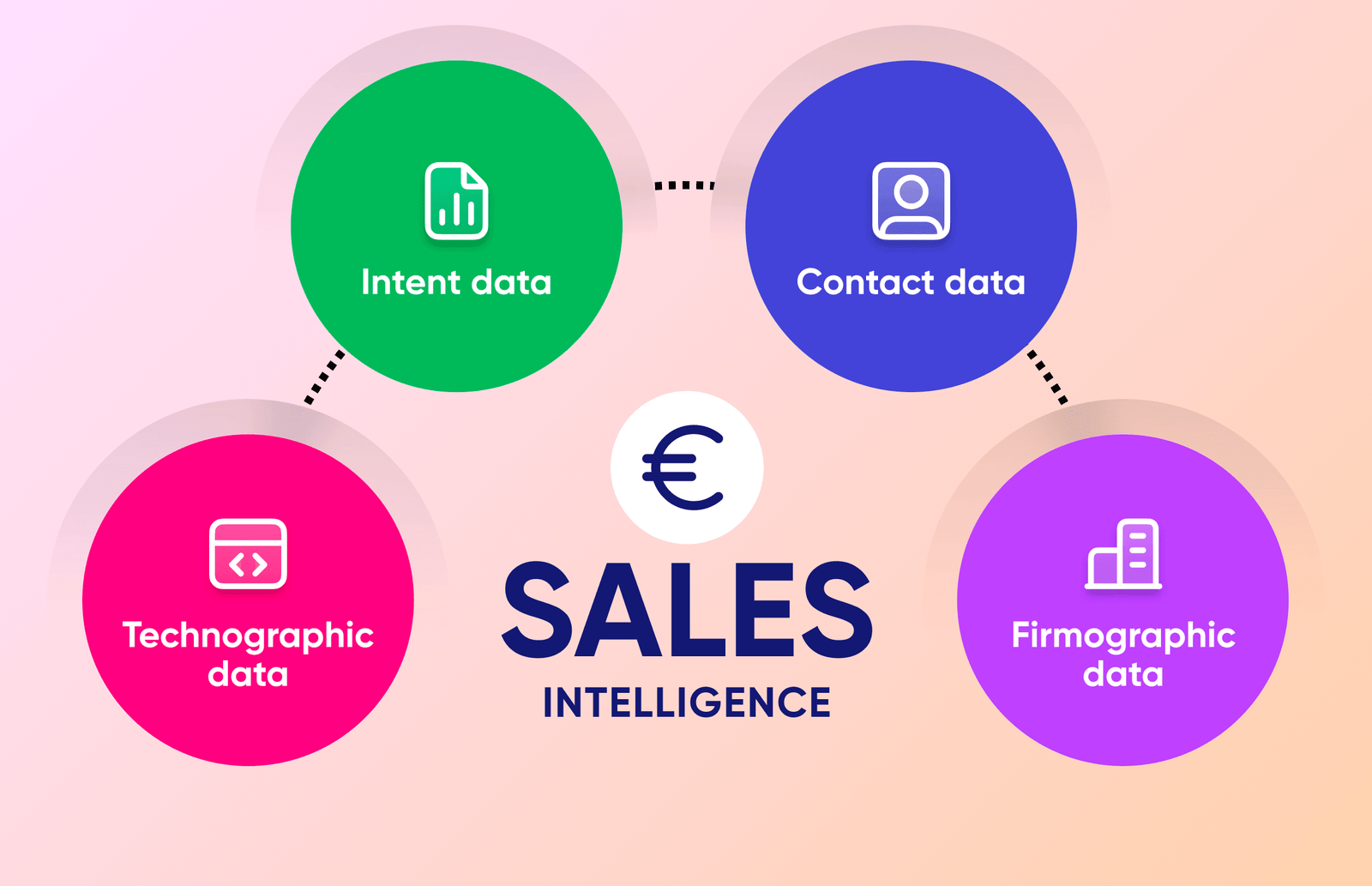
Multidata Hub: A Guide to B2B Data and Business Intelligence is useful for businesses that need organized information to support sales, marketing, prospecting, and market research. B2B companies operate in markets with thousands of potential organizations, but only a portion may fit their products or services. Finding those relevant businesses requires accurate and usable information.
Multidata Hub: A Guide to B2B Data and Business Intelligence also highlights an important distinction between collecting information and using it effectively. B2B data can describe companies, industries, locations, and professionals. Business intelligence helps organizations analyze information and use the resulting insights for planning and decision-making. When these functions are connected, businesses can create more focused prospecting strategies and make better use of their sales and marketing resources.
What Is B2B Data?
B2B data is information about businesses and the professionals associated with them. Depending on the source, it can include company names, industries, locations, websites, company size, job titles, departments, and professional contact information.
The purpose of B2B data is not simply to create large lists of companies. Its practical value comes from helping businesses identify organizations that may be relevant to their products or services.
Example of B2B Data in Practice
Consider a company that sells inventory management software to manufacturers.
Instead of approaching every business in a particular country, the company could identify manufacturers within its preferred company-size range and geographic markets. It could then research professionals involved in operations, supply chain management, or technology purchasing.
This creates a more focused starting point for sales activity.
What Is Business Intelligence?
Business intelligence involves collecting, organizing, analyzing, and presenting business information to support decisions.
B2B data and business intelligence serve different purposes.
B2B data provides information about businesses and professionals. Business intelligence helps organizations understand what that information means.
For example, a company may have records for thousands of businesses. By analyzing those records, it may discover that a particular industry has a higher concentration of suitable accounts or that a specific geographic market offers more potential opportunities.
This type of insight can influence sales territories, marketing campaigns, expansion plans, and resource allocation.
How Multidata Hub Can Support B2B Data Research
Multidata Hub can serve as a structured B2B data resource for organizations involved in sales prospecting, lead generation, marketing, and business research.
Rather than relying entirely on disconnected manual searches, teams can use organized business information as a starting point for identifying potential accounts and contacts.
Company Information
Company information helps businesses understand organizations within a target market.
Depending on the available data, this can include business names, industries, websites, locations, and company characteristics.
Sales teams can compare these details with their ideal customer profile to determine which companies deserve additional research.
Professional Information
Identifying the right company is only part of B2B prospecting. Sales teams also need to find people whose roles are relevant to their products or services.
Professional information can help teams identify job titles, departments, and other role-related details where available.
For example, a company selling recruitment software may focus on human resources leaders. A cloud infrastructure provider may target technology decision-makers.
B2B Data and Market Segmentation
Market segmentation divides a large audience into smaller groups based on meaningful characteristics.
B2B data can support segmentation using criteria such as industry, company size, location, and professional role.
Industry-Based Segmentation
Different industries often have different requirements.
A software provider might create separate strategies for healthcare, manufacturing, financial services, and retail.
The same product may solve different problems in each sector, so industry-specific research can help sales and marketing teams develop more relevant messaging.
Company-Size Segmentation
Company size can affect budgets, purchasing processes, staffing, and operational complexity.
A solution intended for large enterprises may not be appropriate for small companies. Segmenting businesses by size can help teams concentrate resources on organizations that better fit their offerings.
Geographic Segmentation
Businesses operating in multiple regions may have different priorities for each market.
Geographic information can help sales teams build regional prospect lists and allow marketing teams to adapt campaigns to specific markets.
Supporting B2B Lead Generation
Lead generation involves identifying potential customers and creating opportunities for future sales.
B2B data can support the discovery and targeting stages of this process.
A practical lead generation workflow starts with an ideal customer profile. The business identifies companies that fit the profile, finds relevant professionals, researches their potential needs, and develops an appropriate outreach strategy.
The data provides a starting point, but it does not automatically make someone a qualified lead.
Sales teams still need to evaluate factors such as product fit, business need, timing, purchasing authority, and potential value.
Supporting Account-Based Marketing
Account-Based Marketing, or ABM, focuses sales and marketing efforts on selected accounts.
Suppose an enterprise software provider identifies 50 organizations that closely match its ideal customer profile. B2B data can help the team research those companies and identify relevant professionals.
Marketing can then create account-specific content while sales representatives develop personalized outreach.
This approach shows why business and professional information can be more valuable when used together.
Practical Benefits of B2B Data and Business Intelligence
More Efficient Prospect Research
Manual research can require sales representatives to visit multiple websites and collect basic information individually.
Structured B2B information can reduce some repetitive research and give teams a more organized starting point.
Better Prospect Prioritization
Not every company has the same potential value.
Businesses can use available characteristics to prioritize accounts that closely match their customer profile, allowing sales representatives to focus their time more strategically.
More Relevant Marketing
Marketing teams can use business information to create specific audience segments.
For example, a campaign for large manufacturing companies can address different concerns from a campaign targeting small professional services firms.
Improved Sales and Marketing Coordination
Sales and marketing teams often perform better when they share the same definition of a suitable prospect.
Marketing can generate campaigns around agreed audience criteria, while sales can use those criteria to prioritize accounts.
Better Business Planning
Business intelligence can reveal patterns that may not be obvious when looking at individual records.
A company could analyze its available business information to determine which industries, regions, or company types contain the strongest concentration of potential customers.
These insights can inform strategic decisions.
Common Challenges and Considerations
Data Accuracy
Business information can change frequently. Employees change jobs, companies relocate, organizations merge, and businesses may close.
Important information should be verified when accuracy is critical to an outreach campaign or business decision.
Data Completeness
No dataset should automatically be assumed to contain every detail about every business.
Organizations should determine which information they actually need and evaluate the available data against those requirements.
Data Relevance
A large database is not necessarily a valuable one.
If most records do not match the company's target market, sales teams may spend more time filtering prospects than engaging with them.
Relevance should therefore be prioritized over volume.
Responsible Data Use
Businesses should handle professional information responsibly and understand the privacy and marketing rules applicable to their activities.
Data should be used to support relevant communication and legitimate business purposes.
Human Judgment
B2B data cannot determine whether a company is ready to buy.
Sales professionals still need to research accounts, understand business problems, qualify opportunities, and build relationships.
Key Insights
The central idea behind Multidata Hub: A Guide to B2B Data and Business Intelligence is that information becomes valuable when it is connected to a specific business objective.
A company should first determine its ideal customer profile and then decide which data points are necessary to identify those customers.
A practical process can include:
- Define the ideal customer profile.
- Select target industries and markets.
- Identify suitable organizations.
- Research relevant professional roles.
- Verify important information.
- Segment prospects.
- Prioritize high-value accounts.
- Create relevant campaigns or outreach.
- Track performance.
- Update information as business conditions change.
This approach turns B2B data into a working resource rather than simply a collection of records.
Frequently Asked Questions
1. What is Multidata Hub?
Multidata Hub can be used as a B2B data resource for company and professional information that supports activities such as prospecting, lead generation, marketing, market research, and business development.
2. What is the difference between B2B data and business intelligence?
B2B data provides information about companies and professionals. Business intelligence analyzes business information to identify patterns and insights that can support organizational decisions.
3. Can B2B data improve sales prospecting?
Relevant B2B data can help sales teams identify suitable companies, research professional contacts, segment prospects, and prioritize accounts for further qualification.
4. How can marketing teams use B2B data?
Marketing teams can use business information to segment audiences by industry, company size, geography, or professional role. These segments can support more targeted campaigns.
5. Why is data quality important?
Poor-quality or outdated information can waste sales resources and result in ineffective communication. Businesses should focus on relevant information and verify important records when necessary.
Conclusion
Multidata Hub: A Guide to B2B Data and Business Intelligence demonstrates how structured business information can support modern B2B operations. Company and professional data can help sales teams find prospects, marketers build targeted audiences, and business development professionals research potential markets.
Business intelligence adds value by helping organizations interpret information and identify patterns that can guide decisions. The combination can support better segmentation, account prioritization, lead generation, and market planning.
However, data alone does not create business results. Companies need clear objectives, accurate information, responsible data practices, thoughtful qualification, and personalized communication. When these elements work together, B2B data can become a practical foundation for more organized prospecting, targeted marketing, and informed business decisions.

 English
 French
 Spanish
 Portuguese
 Deutsch
 Turkish
 Dutch
Dutch
 Italiano
 Russian
 Romaian
 Portuguese (Brazil)
 Greek
Greek