
Natural Grass for Gardens: Benefits, Uses and Care Guide

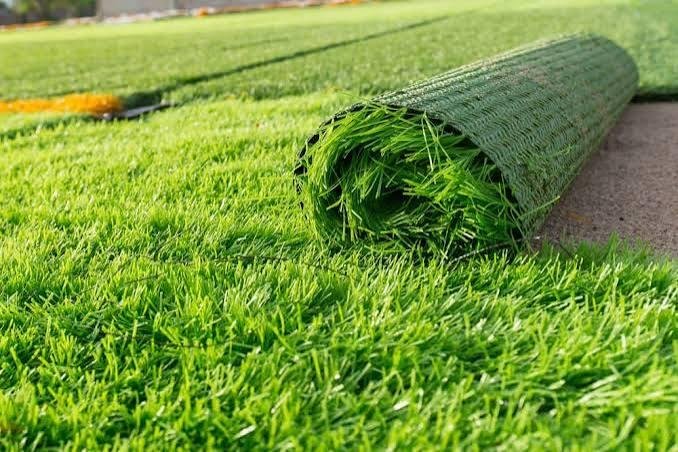
A green garden can make any property feel more fresh, comfortable, and welcoming. Choosing the right natural grass can help create an attractive lawn while providing a genuine living surface for outdoor spaces. From home gardens and farmhouses to parks and commercial landscapes, natural grass can be used in many different settings.
What Is Natural Grass?
Natural grass is living grass that grows in soil and develops through sunlight, water, nutrients, and proper care. It is different from artificial grass, which is manufactured from synthetic materials.
Natural grass is commonly used for lawns, gardens, parks, landscaping projects, recreational areas, and large outdoor properties.
Different varieties have different characteristics, so the right option should be selected according to climate, soil, sunlight, water availability, and intended use.
Benefits of Natural Grass
Natural grass can offer several benefits for residential and commercial outdoor spaces.
Natural Appearance
A properly maintained lawn provides a genuine green appearance that can enhance the overall look of a property.
Comfortable Outdoor Surface
Natural grass provides a soft surface that can be suitable for gardens, recreational areas, and other outdoor spaces.
Supports Landscape Design
Grass can be combined with trees, plants, pathways, flowers, and other landscape elements to create a more attractive outdoor environment.
Helps Cover Exposed Soil
A healthy grass lawn can cover open soil and help reduce exposure to wind and rain.
Suitable for Different Properties
Natural grass can be used in homes, farmhouses, resorts, offices, parks, residential societies, and commercial properties.
Natural Grass for Garden Spaces
Gardens have different requirements depending on their size, sunlight, soil, and maintenance conditions.
Before selecting grass, check whether the area receives full sunlight or partial shade. Soil drainage should also be considered because excessive moisture can affect grass roots.
For a frequently used garden, selecting a suitable and durable grass variety can help maintain better coverage.
Natural Grass Carpet for Faster Lawn Development
Growing a lawn from seeds can take time. Natural grass carpet can provide an alternative for property owners who want faster green coverage.
Established grass is grown at a nursery and supplied in rolls or sections. These can be installed over properly prepared soil.
Once installed, the grass needs suitable watering and maintenance while its roots establish in the new location.
Where Can Natural Grass Be Used?
Natural grass has a wide range of applications.
Some common locations include:
-
Home gardens
-
Farmhouses
-
Parks
-
Hotels and resorts
-
Office campuses
-
Residential societies
-
Commercial properties
-
Recreational areas
-
Institutional gardens
-
Landscaping projects
The grass variety should be selected according to the purpose of the space and its environmental conditions.
How to Prepare the Area for Natural Grass
Good preparation can improve lawn establishment.
First, clear the area of weeds, stones, debris, and unwanted vegetation. The soil should then be levelled and prepared for grass installation.
Drainage should also be checked. If water remains around the roots for long periods, it can create problems for the lawn.
For grass carpet installation, the prepared surface should be reasonably smooth so that the grass sections can be placed evenly.
How to Maintain Natural Grass
Regular care is essential for keeping a lawn healthy.
Watering
Water according to the grass variety, soil, weather, and drainage conditions. Newly installed grass may require more attention while the roots establish.
Mowing
Regular mowing helps maintain a neat appearance. Avoid cutting the grass excessively short.
Fertilisation
Grass requires nutrients for healthy growth. Fertiliser should be selected according to soil conditions and grass requirements.
Weed Control
Regularly inspect the lawn and remove unwanted plants before they become widespread.
Soil and Drainage
Good soil structure and drainage help support healthy root development. Areas with compacted soil may require additional preparation or maintenance.
Natural Grass vs Artificial Grass
Natural grass and artificial grass are suitable for different requirements.
Natural grass provides a living surface but requires regular watering, mowing, fertilisation, and general maintenance.
Artificial grass generally needs less routine maintenance but does not provide the same living plant characteristics.
The right option depends on the property's purpose, maintenance capacity, budget, appearance preferences, and environmental conditions.
Choosing the Right Natural Grass
There is no single grass variety that is ideal for every property. Consider the following before making a selection:
-
Sunlight exposure
-
Soil quality
-
Drainage
-
Local climate
-
Water availability
-
Expected foot traffic
-
Lawn size
-
Maintenance requirements
For large or specialised landscaping projects, professional advice can help identify a suitable grass variety.
Conclusion
Natural grass can transform an ordinary outdoor area into a greener and more inviting space. With the right grass variety, proper soil preparation, suitable installation, and regular maintenance, homeowners and businesses can develop attractive and healthy lawns.
For natural grass varieties, grass carpets, and lawn development solutions, explore the natural grass options from Balaji Nursery and choose a solution suited to your garden or landscaping project.

 English
 Arabic
 French
 Spanish
 Portuguese
 Deutsch
 Turkish
 Dutch
Dutch
 Russian
 Romaian
 Portuguese (Brazil)
 Greek
Greek