
Best Mushroom Capsules: A Plant-Based Guide

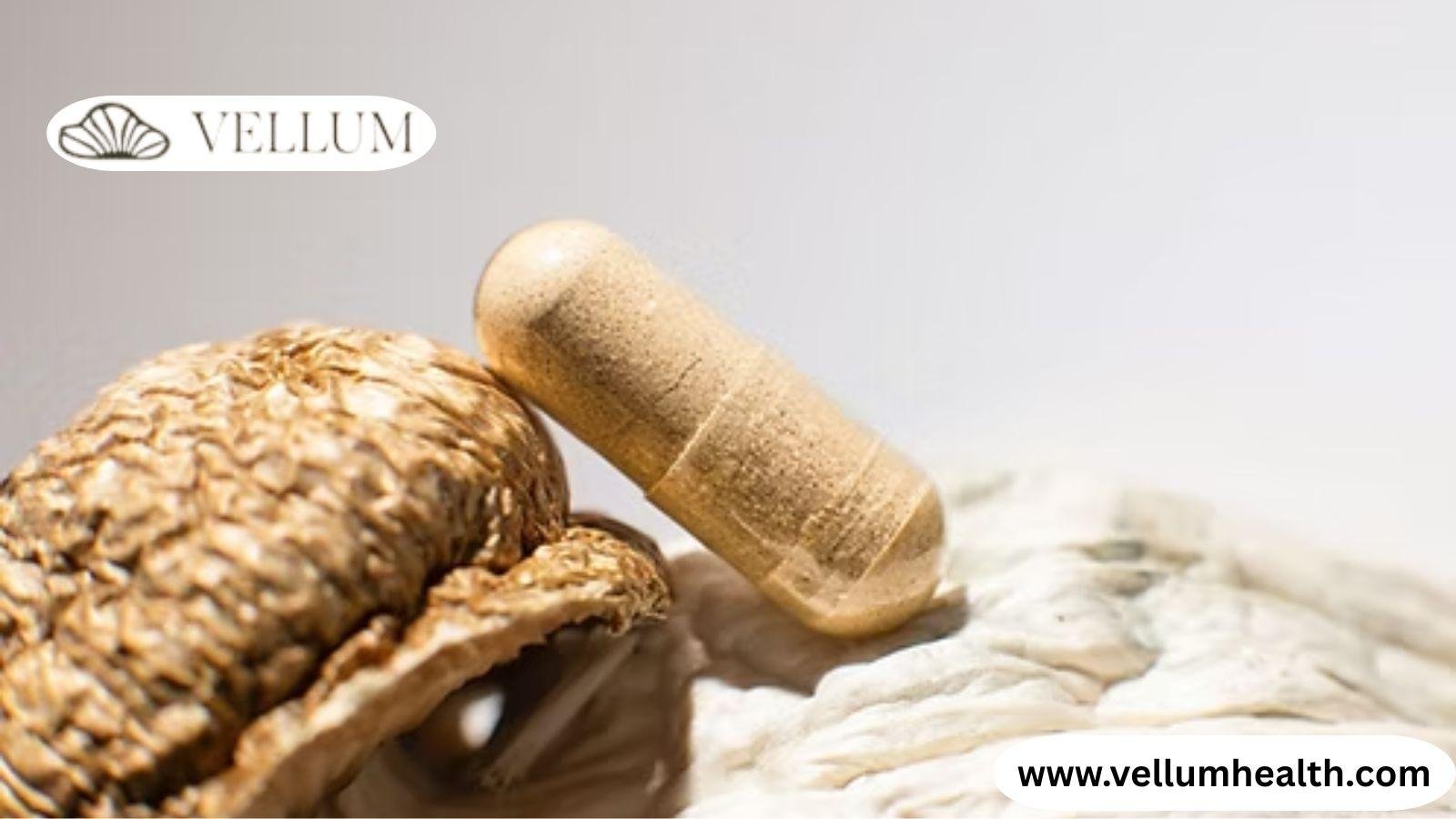
Mushrooms have moved from the produce aisle into the modern wellness conversation. Today, mushroom capsules and other mushroom-based supplements are popular among people looking for convenient ways to include functional fungi in their daily routines.
But choosing a mushroom supplement is not as simple as picking the product with the longest ingredient list. Lion’s mane, reishi, cordyceps, turkey tail, and other mushrooms have different compositions and areas of research. Products can also vary by species, growing method, extraction process, serving size, and whether they use fruiting bodies, mycelium, or both.
For consumers, the goal should be simple: understand what is inside the product, what the research actually says, and whether the formulation fits your needs.
What Are Mushroom Capsules?
Mushroom capsules are dietary supplements containing dried mushroom powder, mushroom extract, or a combination of ingredients in capsule form.
They may contain a single mushroom or several varieties in a blend. Common examples include:
-
Lion’s mane
-
Reishi
-
Cordyceps
-
Turkey tail
-
Chaga
-
Maitake
-
Shiitake
The term “medicinal mushrooms” is commonly used to describe mushrooms associated with traditional wellness practices or modern scientific research. However, the term should not be interpreted as meaning that these mushrooms are proven treatments for medical conditions.
The U.S. Department of Defense’s Operation Supplement Safety notes that mushrooms are nutritious foods but that there is not enough scientific evidence to support their safety or use as dietary supplements for specific purposes. That makes it important to separate established nutrition from emerging supplement research.
Why Are Mushroom Supplements So Popular?
Convenience is one of the biggest reasons people choose capsules.
Whole mushrooms can be incorporated into meals, while powders may need to be mixed into drinks or food. Capsules provide a simple, measured format that can fit easily into an established routine.
Different mushroom varieties are also associated with different areas of scientific interest.
For example:
-
Lion’s mane: cognitive and neurological research
-
Reishi: immune-related and general wellness research
-
Cordyceps: exercise and energy-related research
-
Turkey tail: immune and supportive-care research
These associations do not mean that taking a capsule will produce a particular health outcome. Human research remains uneven, and results can depend on the specific preparation being studied.

Understanding Popular Medicinal Mushrooms
Lion’s Mane
Lion’s mane (Hericium erinaceus) is recognizable by its white, cascading spines and has become particularly popular in cognitive-wellness products.
Researchers are investigating compounds in lion’s mane for their potential relationship with nerve growth and neurological processes. Early human research is interesting, but there is not enough evidence to describe lion’s mane as a proven treatment for memory loss, ADHD, depression, or other neurological conditions.
When shopping for lion’s mane mushroom capsules, check whether the label identifies the mushroom species, amount per serving, and whether the product uses powder or extract.
Reishi
Reishi (Ganoderma lucidum) has a long history of traditional use and is one of the best-known functional mushrooms.
Its naturally occurring compounds include polysaccharides and triterpenes, which have been studied in laboratory and preclinical research.
Reishi is commonly included in formulas marketed around general wellness, relaxation, and immune support. However, laboratory findings should not automatically be interpreted as proven benefits from a supplement.
Cordyceps
Cordyceps is another widely used functional mushroom. Modern supplements may contain species such as Cordyceps militaris or cultivated forms associated with Cordyceps sinensis.
It is frequently included in products marketed for energy, stamina, and exercise performance.
Research into these areas is ongoing. Differences in species, cultivation, extraction, and dosage mean that results from one study cannot necessarily be applied to every cordyceps product.
Turkey Tail
Turkey tail (Trametes versicolor) gets its name from its distinctive, multicoloured bands.
It has attracted substantial research interest because of compounds such as polysaccharides PSK and PSP. Much of the research has focused on immune-related processes and supportive care, including research alongside conventional cancer treatment.
This does not mean turkey tail supplements cure cancer. Anyone undergoing cancer treatment should work with their medical team rather than replacing established treatment with a supplement.
Mushroom Extract vs. Mushroom Powder
One of the most important distinctions when comparing high-quality mushroom supplements is whether the product contains mushroom powder or an extract.
Mushroom Powder
Powder is generally produced by drying and grinding mushroom material. Depending on how it is produced, it may contain a broad range of naturally occurring compounds.
Mushroom Extract
A mushroom extract is produced by processing mushroom material to concentrate or make certain compounds more available.
Extraction can involve water, alcohol, or a combination of methods. Because techniques vary, the word “extract” by itself is not proof of superior quality.
When comparing products, look for information about:
-
Mushroom species
-
Source material
-
Extraction method
-
Amount per serving
-
Standardization, when applicable
-
Testing practices
What Makes the Best Mushroom Capsules?
There is no single product that is objectively the “best mushroom capsules” option for everyone. A better approach is to evaluate the product against a few practical criteria.
1. Transparent Ingredients
A trustworthy label should clearly identify each mushroom and its amount.
Be cautious when several mushrooms are hidden under a proprietary blend with only one total weight. Without individual amounts, it becomes difficult to compare the product with research or understand what you are consuming.
2. Fruiting Body and Mycelium Information
The fruiting body is the visible mushroom structure, while mycelium is the network of fungal material that develops through a growing substrate.
Products can use either or both. Rather than judging quality from this distinction alone, consider the complete formulation, sourcing, manufacturing process, and testing.
3. Independent Testing
Third-party testing can provide useful information about product identity, purity, and potential contaminants.
Operation Supplement Safety explains that laboratory testing is necessary to determine the actual ingredients and amounts present in a supplement. Independent certification can therefore be a useful quality consideration.
4. Realistic Claims
Be skeptical of products promising to cure serious diseases, reverse cognitive decline, eliminate anxiety, or replace medical treatment.
A responsible supplement company should distinguish between traditional use, preliminary research, and established human evidence.
Should You Choose a Mushroom Blend?
Mushroom blend capsules combine several varieties into one formula.
A blend can be convenient for people who want to include multiple mushrooms without purchasing several separate products. However, more ingredients do not automatically mean greater benefits.
Look at the individual amounts. A formula containing five mushrooms may sound impressive, but if the label only provides one combined quantity, you cannot easily determine how much of each mushroom is present.
A single-mushroom product can sometimes be easier to evaluate, particularly if you are interested in one specific variety.
Choosing a Bundle for Different Wellness Goals
A Premium mushroom bundle may contain several individual products designed around different areas of wellness.
For example, a bundle might combine lion’s mane, reishi, and cordyceps. Another could focus on a broader selection of functional mushrooms.
Before choosing a bundle, consider:
-
What is your primary reason for using mushroom supplements?
-
Are the ingredients clearly disclosed?
-
Are there duplicate mushrooms across products?
-
How many servings does the bundle provide?
-
Is the combined cost actually better than individual products?
-
Does the manufacturer provide testing information?
Someone looking for general variety may appreciate a broad mushroom collection, while another person may prefer a simple formula with one clearly identified ingredient.
What About an Organic Mushroom Supplement?
An organic mushroom supplement may appeal to consumers who prioritize organic cultivation and sourcing.
However, organic certification should not be confused with proof of effectiveness.
When comparing organic products, still examine the mushroom species, serving size, processing method, additional ingredients, and testing practices.
Quality involves more than one label claim.
Do Mushroom Supplements Replace a Healthy Diet?
No.
Mushroom capsules can complement a varied diet, but they should not become a substitute for whole foods. Fresh mushrooms provide nutrients, fibre, and other components that may not be replicated by a concentrated supplement.
Likewise, a supplement cannot compensate for inadequate sleep, limited physical activity, or an unbalanced diet.
Think of mushroom supplements as optional additions to a broader approach to wellness rather than the foundation of it.
Frequently Asked Questions
1. What are the best mushroom capsules?
There is no universally best mushroom capsule. Look for a clearly identified mushroom species, transparent amounts, appropriate sourcing, reliable testing, and realistic claims.
2. Are mushroom extract capsules better than powder capsules?
Not necessarily. Extracts and powders are different preparations. The better choice depends on the mushroom, extraction process, formulation, serving amount, and product quality.
3. Are mushroom blend capsules effective?
Evidence varies by mushroom and intended use. A blend may offer convenience, but a larger ingredient list does not automatically mean better results. Individual ingredient amounts should be clearly disclosed.
4. What is a Premium mushroom bundle?
A Premium mushroom bundle generally refers to a collection of mushroom-based products positioned around quality, variety, or specific wellness interests. Consumers should evaluate the actual ingredients and testing rather than relying on the word “premium.”
5. Are mushroom supplements safe?
Safety depends on the mushroom species, preparation, dosage, product quality, and individual circumstances. Some products may cause side effects or interact with medications. People taking medication or managing a health condition should discuss supplementation with a qualified healthcare professional.
Final Thoughts
Mushroom capsules offer a convenient way to explore functional fungi without preparing whole mushrooms or powders. Lion’s mane, reishi, cordyceps, and turkey tail are among the most widely discussed varieties, but their research backgrounds and naturally occurring compounds differ.
The smartest way to choose a mushroom supplement is to look beyond the front of the package. Check the mushroom species, serving amount, source material, extraction method, additional ingredients, and testing information.
Whether you are considering an individual product, mushroom blend capsules, an immune support bundle, or a broader premium mushroom bundle, transparency should come before marketing claims.

 English
 Arabic
 French
 Spanish
 Portuguese
 Deutsch
 Turkish
 Dutch
Dutch
 Italiano
 Russian
 Portuguese (Brazil)
 Greek
Greek