
Essential Gluten-Free Ingredients for Your Pantry

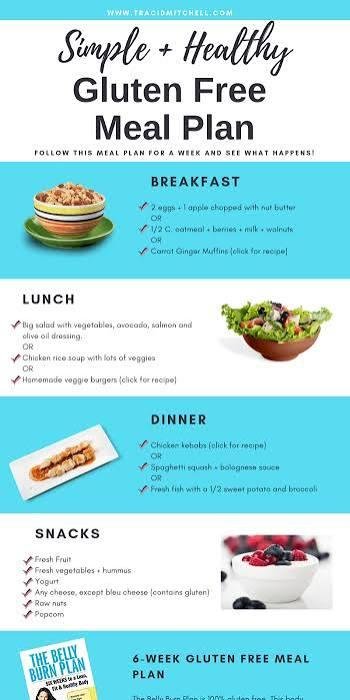
Having a well-stocked pantry makes gluten-free cooking easier, faster, and more enjoyable. Whether you are new to a gluten-free lifestyle or looking to improve your meal preparation routine, keeping the right ingredients available can help you create delicious meals without stress.
A gluten-free pantry does not need to be complicated. With a few essential ingredients, you can prepare breakfasts, lunches, dinners, snacks, and baked goods for the entire family.
The key is choosing versatile foods that are nutritious, easy to store, and suitable for different recipes. A well-organized pantry can save time, reduce grocery trips, and make everyday cooking much simpler.
Why Build a Gluten-Free Pantry?
A prepared gluten-free pantry gives you more confidence in the kitchen. Instead of searching for ingredients every time you cook, you will already have the basics needed for quick and healthy meals.
Benefits of keeping a gluten-free pantry include:
- Easier meal preparation
- Faster cooking on busy days
- Better organization
- More recipe options
- Reduced food waste
A gluetenfreemealplan can help you organize recipes, create shopping lists, and decide which pantry ingredients you need for your weekly meals.
Gluten-Free Grains and Alternatives
Grains are an important part of many meals, and there are several gluten-free options available. These ingredients can be used for breakfast bowls, side dishes, salads, and main meals.
Essential gluten-free grains include:
Rice
Rice is one of the most versatile pantry ingredients. It can be used for:
- Rice bowls
- Stir-fries
- Side dishes
- Casseroles
Quinoa
Quinoa provides a nutritious alternative to traditional grains and works well in salads, bowls, and meal preparation recipes.
Gluten-Free Oats
Gluten-free oats are a great option for:
- Breakfast oatmeal
- Homemade snacks
- Baked recipes
Always choose oats labeled as gluten-free to ensure they meet your dietary needs.
Gluten-Free Flours for Baking
If you enjoy homemade baking, keeping gluten-free flours available is important. These flours allow you to prepare breads, muffins, pancakes, and desserts.
Popular gluten-free flour options include:
- Almond flour
- Coconut flour
- Rice flour
- Tapioca flour
- Gluten-free all-purpose flour blends
Different flours have different textures, so experimenting with combinations can help create better baking results.
Beans and Legumes
Beans and legumes are excellent pantry staples because they are affordable, nutritious, and easy to use in many recipes.
Useful options include:
- Black beans
- Chickpeas
- Lentils
- Kidney beans
- White beans
They can be added to soups, salads, rice dishes, and vegetarian meals.
Nuts and Seeds
Nuts and seeds add flavor, texture, and nutrients to gluten-free meals. They are also convenient snacks to keep in your pantry.
Great choices include:
- Almonds
- Walnuts
- Chia seeds
- Flaxseeds
- Pumpkin seeds
- Sunflower seeds
Use them in smoothies, breakfast bowls, snacks, or homemade energy bars.
Gluten-Free Pasta and Noodles
Pasta is a popular comfort food, and gluten-free versions make it possible to enjoy classic dishes without gluten.
Stock options such as:
- Rice pasta
- Corn pasta
- Chickpea pasta
- Lentil pasta
These products can be used for quick dinners, salads, and family meals.
Healthy Oils and Cooking Essentials
Cooking oils and basic ingredients help create flavorful meals. Keeping these items available makes daily cooking more convenient.
Useful pantry essentials include:
- Olive oil
- Coconut oil
- Vinegar
- Tomato sauce
- Coconut milk
- Natural sweeteners
These ingredients can be used in dressings, sauces, baking, and everyday recipes.
Herbs and Spices for Flavor
Gluten-free meals do not have to be boring. Herbs and spices can transform simple ingredients into delicious dishes.
Essential seasonings include:
- Garlic powder
- Black pepper
- Cinnamon
- Paprika
- Turmeric
- Basil
- Oregano
Keeping a variety of spices allows you to create different flavors without relying on processed foods.
Gluten-Free Snacks to Keep Ready
Having gluten-free snacks available is helpful for busy families. A prepared pantry makes it easier to choose healthy options between meals.
Snack ideas include:
- Gluten-free crackers
- Popcorn
- Nut mixes
- Rice cakes
- Dried fruit
- Gluten-free granola
These items are convenient for school, work, travel, or quick snacks at home.
Organize Your Gluten-Free Pantry
An organized pantry makes cooking more enjoyable. Group similar ingredients together so you can quickly find what you need.
Helpful organization tips include:
- Labeling containers
- Checking expiration dates
- Keeping gluten-free products separate
- Creating a shopping checklist
- Restocking regularly
A clean pantry saves time and makes meal planning easier.
Plan Meals Around Your Pantry Ingredients
Once your pantry is stocked, use those ingredients to create simple meal ideas. Planning meals around available foods can reduce waste and make cooking more affordable.
Examples include:
- Rice bowls with vegetables and protein
- Gluten-free pasta dinners
- Homemade soups
- Breakfast oatmeal
- Healthy snack recipes
A gluetenfreemealplan helps you make the most of your pantry by providing organized meal ideas and recipe inspiration.
Create a Better Gluten-Free Cooking Routine
Building a gluten-free pantry is one of the easiest ways to improve your cooking experience. With essential ingredients available, you can prepare meals quickly and confidently.
The best gluten-free pantry includes a balance of grains, flours, proteins, snacks, spices, and cooking essentials. These ingredients provide flexibility and allow you to create a wide variety of meals.
By keeping your pantry prepared and using a gluetenfreemealplan, you can enjoy easier cooking, better organization, and more delicious gluten-free meals every day.

 Arabic
 French
 Spanish
 Portuguese
 Deutsch
 Turkish
 Dutch
Dutch
 Italiano
 Russian
 Romaian
 Portuguese (Brazil)
 Greek
Greek