
Smarter Waste Choices For Cleaner Everyday Living

Why Waste Choices Matter More Than Ever
Everyday waste can quickly become overwhelming when households, businesses, and communities generate more rubbish than they can comfortably manage. From kitchen packaging and household clutter to renovation debris, the way waste is handled has a direct effect on cleanliness, convenience, and environmental responsibility. One particularly important concern is single use plastic which is often used for only a few minutes but can remain in the environment for decades. Making thoughtful choices about consumption, disposal, and recycling can significantly reduce unnecessary waste while creating cleaner and more organised spaces.
Waste management does not have to be complicated. The key is understanding what materials are being discarded, separating reusable or recyclable items where possible, and choosing an appropriate disposal method for larger quantities of rubbish. Whether clearing out a home, renovating a property, or managing commercial waste, planning ahead can make the entire process considerably easier.
Understanding The Impact Of Everyday Waste
Waste is produced in countless forms throughout daily life. Food packaging, broken furniture, old appliances, garden materials, construction debris, and unwanted household belongings can all accumulate over time. While some materials can be recycled or reused, others require appropriate disposal to prevent them from creating unnecessary environmental and logistical problems.
Plastic waste is especially challenging because lightweight items can easily escape conventional rubbish systems and enter waterways or natural environments. Reducing unnecessary plastic consumption is therefore an important part of responsible waste management. Choosing reusable products, avoiding excessive packaging, and recycling eligible materials can all contribute to better waste outcomes.
At the same time, responsible disposal is equally important. Even when waste cannot be avoided, ensuring it reaches an appropriate collection or disposal facility helps reduce the risk of illegal dumping and uncontrolled accumulation.
Making Household Cleanups More Manageable
A major household cleanup can seem like an enormous task, particularly when rubbish has accumulated across garages, sheds, spare rooms, gardens, or outdoor areas. Instead of allowing unwanted materials to remain scattered around the property, homeowners can create a simple waste management plan before beginning the cleanup.
Sorting rubbish according to its type can make disposal much easier. Items that can be donated or reused should be separated from recyclable materials and general waste. Once these categories have been identified, the remaining rubbish can be gathered efficiently for appropriate disposal.
For larger cleanups, having a dedicated waste container available can also prevent rubbish from being repeatedly moved around the property. This approach creates a designated place for unwanted materials and helps maintain a safer, more organised work area throughout the project.
Choosing The Right Waste Disposal Approach
Different projects create different types and volumes of rubbish, so there is no single disposal method that suits every situation. A small household cleanup may require only regular waste services, while a renovation, landscaping project, or property clear-out can produce far more material than standard bins can accommodate.
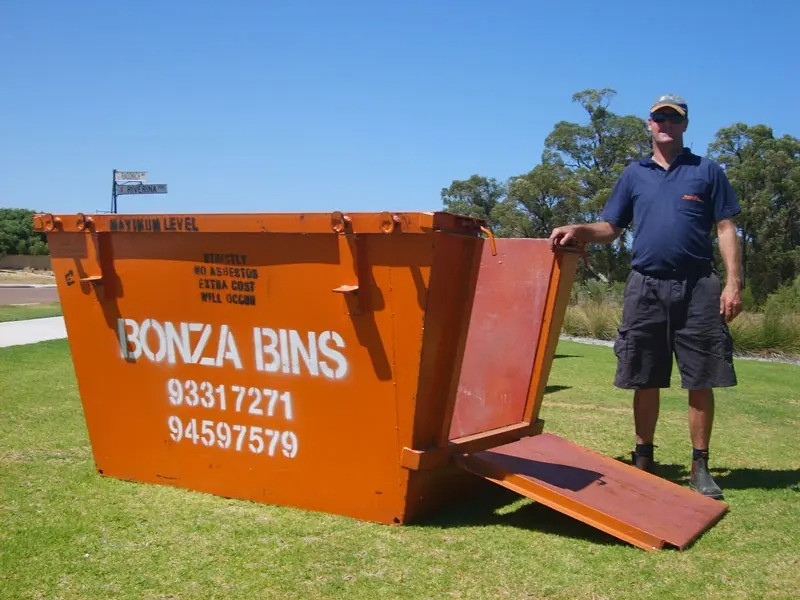
Skip bins can provide a practical solution when substantial quantities of waste need to be collected in one location. Instead of making repeated trips to disposal facilities, rubbish can be placed directly into the container during the project. This can save time and reduce the physical effort associated with transporting bulky materials.
Before hiring a bin, it is important to consider the expected volume and type of waste. Selecting a suitable size can help prevent overfilling and make the disposal process more efficient.
Reducing Waste Before It Reaches The Bin
Good waste management begins before disposal. People can often reduce the amount of rubbish they generate by purchasing durable products, repairing damaged belongings, donating usable items, and choosing products with minimal packaging.
Businesses can also review their daily operations to identify unnecessary waste. Replacing disposable supplies with reusable alternatives, improving inventory management, and encouraging recycling can gradually reduce the amount of rubbish produced.
These changes may appear small individually, but consistent habits can make a meaningful difference over time. A cleaner approach to consumption also encourages people to think about the entire lifecycle of the products they purchase.
Planning Ahead For Larger Cleanup Projects
Preparation can make a significant difference when tackling a major cleanup. Before work begins, estimate how much rubbish the project is likely to produce and identify any materials that require special handling. It is also useful to understand local disposal requirements so unsuitable materials do not end up in a general waste container.
Another important consideration is where the waste container will be positioned. The location should provide convenient access while avoiding unnecessary obstruction to driveways, pathways, entrances, or work areas. Thinking through these details before delivery can help the project proceed smoothly.
A well-planned cleanup also reduces the chance of last-minute disposal problems. Instead of reacting to growing piles of rubbish, property owners can establish a clear process from the beginning.
Understanding Skip Bin Costs And Value
When arranging waste removal, cost is naturally an important consideration. However, focusing solely on the cheapest option may not always provide the best value. The size of the container, rental period, waste type, location, delivery arrangements, and disposal requirements can all influence the final expense.
Researching skip bin hire prices before booking can help customers compare options and develop a realistic project budget. Understanding what is included in a quoted price is equally important because additional charges may apply in certain circumstances depending on the provider and type of waste.
A suitable bin can provide value beyond its basic rental cost. Having waste collected from the property can reduce repeated trips, simplify organisation, and allow people to focus more attention on completing their cleanup or renovation project.
Creating A Cleaner Future Through Better Habits
Responsible waste management is ultimately about making better decisions at every stage. Reducing unnecessary purchases, reusing useful materials, recycling whenever possible, and arranging suitable disposal for unavoidable rubbish can create a more sustainable approach to everyday living.
For larger projects, professional skip bin services can make waste collection considerably more convenient. With the right preparation and an appropriate container, households and businesses can manage substantial amounts of rubbish without allowing waste to become an obstacle.
A cleaner property also creates a better environment for everyone who uses it. By combining waste reduction with organised disposal, people can take practical steps toward cleaner homes, more efficient projects, and healthier communities.
Conclusion
Managing waste responsibly does not require complicated changes. Simple choices, thoughtful planning, and suitable disposal methods can make everyday cleanups and larger projects much easier to handle. Reducing disposable materials, separating recyclable items, and selecting the right waste container can all contribute to a more organised approach to rubbish management. For dependable solutions that make larger cleanups more convenient, bonzabins.com.au can be considered as part of a practical waste management plan.
Blog Source URL:- https://medium.com/@bonzabins3/smarter-waste-choices-for-cleaner-everyday-living-ef3cfb44c1df

 Arabic
 French
 Spanish
 Portuguese
 Deutsch
 Turkish
 Dutch
Dutch
 Italiano
 Russian
 Romaian
 Portuguese (Brazil)
 Greek
Greek