
10 Effective SEO Strategies to Build a Strong Online Presence
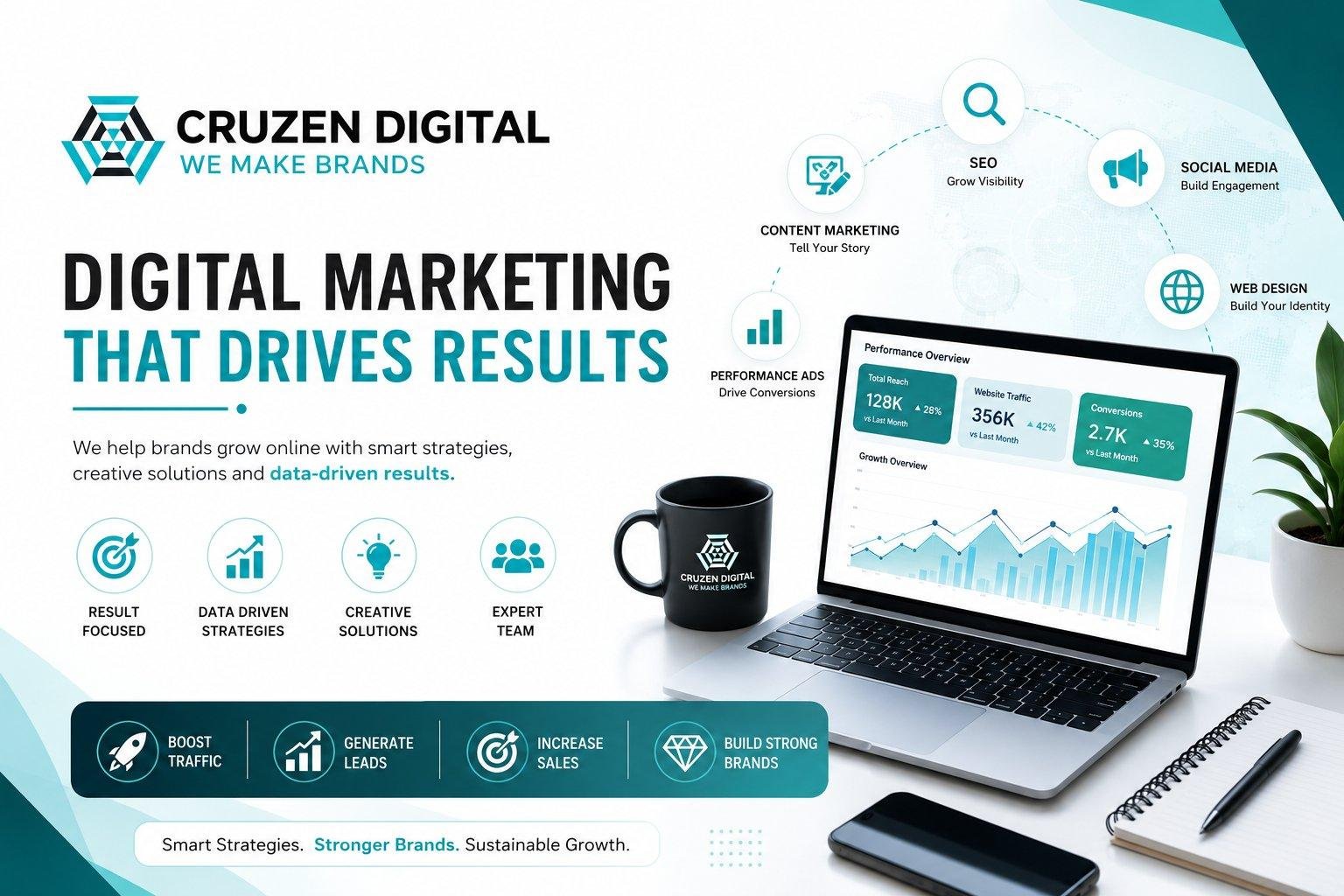
A strong online presence helps your business attract attention, connect with customers, and compete in a crowded market. However, simply having a website is not enough. Your business also needs to appear in the places where people search for answers, products, and services. Cruzen Digital can help businesses use smart SEO strategies to improve visibility, attract relevant visitors, and build long-term digital growth.
Search engine optimization helps your website become more useful for both search engines and visitors. It combines high-quality content, technical improvements, keyword research, and a better user experience. Here are 10 effective SEO strategies that can help your business build a stronger online presence.
1. Understand Your Target Audience
Every successful SEO campaign starts with a clear understanding of the target audience. Before creating content, you need to know who you want to reach and what problems they are trying to solve.
Think about your customers’ needs, questions, goals, and buying habits. A local restaurant may target people looking for nearby dining options, while a software company may focus on businesses searching for productivity tools.
You can understand your audience by:
-
Studying customer questions.
-
Reviewing feedback and online comments.
-
Checking your website analytics.
-
Speaking with sales and support teams.
-
Researching your competitors’ audiences.
-
Creating simple customer profiles.
When you understand your audience, you can create content that feels relevant and helpful. This improves the chances of attracting visitors who are genuinely interested in your business.
2. Use the Right Keyword Strategy
Keywords connect your content with the searches your audience makes online. Choosing the right terms helps search engines understand your website and helps users find the information they need.
Professional SEO services can support keyword research by identifying relevant search terms, user intent, and potential content opportunities. Instead of focusing only on highly competitive keywords, use a mix of broad, specific, local, and long-tail phrases.
For example, a fitness business may target:
-
Personal training services.
-
Online fitness coaching.
-
Beginner workout plans.
-
Personal trainer in Delhi.
-
Weight-loss exercises for beginners.
Long-tail keywords often contain more words and show a clearer search purpose. A person searching for “best personal trainer for beginners in Delhi” may have a stronger intention than someone searching for “fitness.”
Use keywords naturally in your:
-
Page titles.
-
Headings.
-
Introduction.
-
Service pages.
-
Product descriptions.
-
Image descriptions.
-
Meta descriptions.
Avoid adding the same keyword too many times. Natural and useful content is more valuable than content written only for search engines.
3. Create Helpful, Original Content
Content is one of the most important parts of SEO. It gives your audience useful information and gives search engines more opportunities to understand your business.
Good content should answer questions, solve problems, and guide readers. It should not simply repeat information found on other websites. Original examples, practical tips, expert opinions, and clear explanations can make your content more valuable.
You can create:
-
Blog posts.
-
How-to guides.
-
Service pages.
-
Product comparisons.
-
Case studies.
-
Frequently asked questions.
-
Industry reports.
-
Video descriptions.
Before writing, decide what the reader should learn or do after reading the page. Use simple language, short paragraphs, clear headings, and useful examples. This makes your content easier to read and more engaging.
Fresh content can also help you discuss new trends, answer new customer questions, and keep your website active.
4. Improve Your Website Structure
A clear website structure helps visitors find information quickly. It also helps search engines crawl and understand your pages.
Organize your website into logical categories. Your main menu should lead users to important pages such as your home page, services, products, about page, blog, and contact page.
A simple website structure may look like this:
-
Home.
-
About us.
-
Services.
-
Individual service pages.
-
Blog.
-
Contact.
Use internal links to connect related pages. For example, a blog post about local marketing can link to your local SEO service page. These links help visitors discover more information and allow search engines to understand the relationship between your pages.
You should also check for:
-
Broken links.
-
Duplicate pages.
-
Confusing menus.
-
Missing page titles.
-
Unclear URLs.
-
Orphan pages.
A well-organized website creates a smoother experience for users and supports better SEO performance.
5. Make Your Website Mobile-Friendly
Many people browse websites on smartphones and tablets. If your website does not work well on smaller screens, visitors may leave before contacting your business.
A mobile-friendly website should fit different screen sizes without forcing users to zoom or scroll from side to side. Buttons should be easy to tap, text should be readable, and forms should be simple to complete.
Check the mobile version of your website regularly. Look at your main pages and test important actions such as:
-
Opening the navigation menu.
-
Clicking phone numbers.
-
Submitting contact forms.
-
Viewing product images.
-
Completing a purchase.
-
Reading blog content.
A good mobile experience can improve customer satisfaction and help your business appear more professional.
6. Improve Website Loading Speed
Slow websites can frustrate visitors. People may leave if a page takes too long to load, especially when they are using a mobile connection.
Website speed can be affected by large images, unnecessary code, too many plugins, poor hosting, and unoptimized videos. Improving these areas can make your website faster and easier to use.
Useful speed improvements include:
-
Compressing images.
-
Using modern image formats.
-
Removing unused plugins.
-
Reducing large files.
-
Enabling browser caching.
-
Limiting unnecessary animations.
-
Choosing reliable hosting.
Check your most important pages first, including your home page, service pages, product pages, and contact page. A faster website can help visitors find information quickly and complete actions with less frustration.
7. Focus on Local SEO
Local SEO helps your business reach people in a specific location. It is important for companies that serve a particular city, neighbourhood, or region.
Start by creating or improving your Google Business Profile. Make sure your business name, address, phone number, website, opening hours, and services are accurate.
You can strengthen local visibility by:
-
Adding high-quality business photos.
-
Collecting genuine customer reviews.
-
Responding politely to reviews.
-
Using local keywords on your website.
-
Creating location-based service pages.
-
Listing your business in relevant directories.
For example, a company may create a page for “digital marketing services in Delhi” if it serves customers in that area. Local content should be useful and specific rather than repeating the city name without purpose.
8. Build Quality Backlinks
Backlinks are links from other websites to your website. When relevant and trustworthy websites link to your content, they can help improve your authority and visibility.
However, not every backlink is valuable. Links from unrelated, low-quality, or suspicious websites may not help your SEO strategy. Focus on earning links through useful content and genuine relationships.
You can build quality backlinks by:
-
Publishing original research.
-
Creating helpful industry guides.
-
Writing expert guest articles.
-
Sharing useful statistics.
-
Taking part in relevant interviews.
-
Building partnerships with trusted businesses.
A strong backlink strategy should focus on relevance and quality. Avoid buying large numbers of low-quality links or using methods that may harm your website’s reputation.
9. Optimize Important On-Page Elements
On-page SEO involves improving the elements users and search engines see on your website. These elements help explain what each page is about.
Important on-page elements include:
-
Title tags.
-
Meta descriptions.
-
Main headings.
-
Subheadings.
-
Image alt text.
-
Page URLs.
-
Internal links.
-
Content formatting.
Each page should have a unique title that clearly describes its topic. Your meta description should give users a short reason to visit the page. Headings should organize the content and make it easier to scan.
Do not write titles only to include keywords. Make them clear and appealing to real users. A good title can improve the chances that someone will click your page in search results.
10. Track Results and Improve Regularly
SEO is an ongoing process. Search trends change, competitors update their websites, and customer needs develop over time. Tracking your results helps you identify what works and what needs improvement.
Important performance areas include:
-
Organic traffic.
-
Keyword positions.
-
Click-through rate.
-
Leads and enquiries.
-
Conversion rate.
-
Top-performing pages.
-
User engagement.
-
Local search activity.
Review your data regularly. If a page receives visitors but few enquiries, improve its content or call to action. If a blog post performs well, create related content that explores the topic in greater detail.
Regular improvement can help your website remain useful, competitive, and relevant.
Final Thoughts
A strong SEO strategy can help your business become more visible, attract better traffic, and create a stronger connection with customers. From keyword research and helpful content to mobile optimization and local search, every part of SEO contributes to your online presence.
The most effective approach is consistent and user-focused. Understand your audience, solve their problems, improve your website, and measure your progress. With the right planning and support from Cruzen Digital, your business can build a reliable online presence and create more opportunities for long-term growth.

 Arabic
 French
 Spanish
 Portuguese
 Deutsch
 Turkish
 Dutch
Dutch
 Italiano
 Russian
 Romaian
 Portuguese (Brazil)
 Greek
Greek